A 5-day CDMX plan: big-city, big choices.
The first real decision in Mexico City isn’t what to see—it’s what you can realistically string together without spending half your day in traffic or arriving wiped out by the altitude. CDMX is sprawling, and “just one more stop” can quietly add a 40-minute ride-share and a long line, especially on weekends.
This 5-day framework groups neighborhoods so your mornings aren’t lost in transit: Centro first (dense, walkable, sensory overload), then Chapultepec for your biggest museum/castle day (plan around closures—many museums don’t run every day), then Coyoacán for a slower, south-side pace, Roma/Condesa when you want food with minimal logistics, and Teotihuacán as the one early start that actually pays off. You’ll still have to choose: more museums versus more street meals, canals versus recovery time, and night plans versus a functional next morning.
Build in one “swap slot” for rain or crowds, and you’ll book with confidence without locking yourself into misery.
D1 Centro: Must Zócalo; Opt Bellas Artes; Skip alleys.
I hit the Zócalo early, before the square turned into a full-volume mix of tour groups, vendors, and sun that bounces off stone. It worked: you get the scale of Centro immediately, and you can actually move from the Cathedral to the Templo Mayor area without feeling like you’re constantly dodging someone’s selfie stick. What didn’t work was assuming “it’s flat, I’ll walk everything.” At CDMX altitude, a long, exposed morning stacks fatigue fast—plan a real sit-down breakfast or coffee stop, not just a pastry on the go.
From there, Centro rewards tight geography. Keep your first loop compact (Zócalo → a few blocks outward → back inward), because the moment you drift too far you’ll pay for it in time and attention. If you’re tempted to tack on extra streets “just to see,” this is where judgment matters: some alleys feel lively in daylight, but others thin out quickly and can get uncomfortable if you’re visibly lost or carrying a phone out for maps. I found it easier to use main corridors and pop into specific targets rather than wander on vibes.
Palacio de Bellas Artes is the optional add that’s worth it when the timing is right—midday crowds can make the interior feel like a queue with a ceiling, while late afternoon often lands better if you want photos and a calmer look. If your energy is dipping, this is the moment to choose: do Bellas Artes properly, or skip it and spend the same hour on a longer lunch nearby so you don’t burn Day 1 trying to “win” Centro.
D2 Chapultepec: Must Castle; Opt Anthropology; Skip malls.
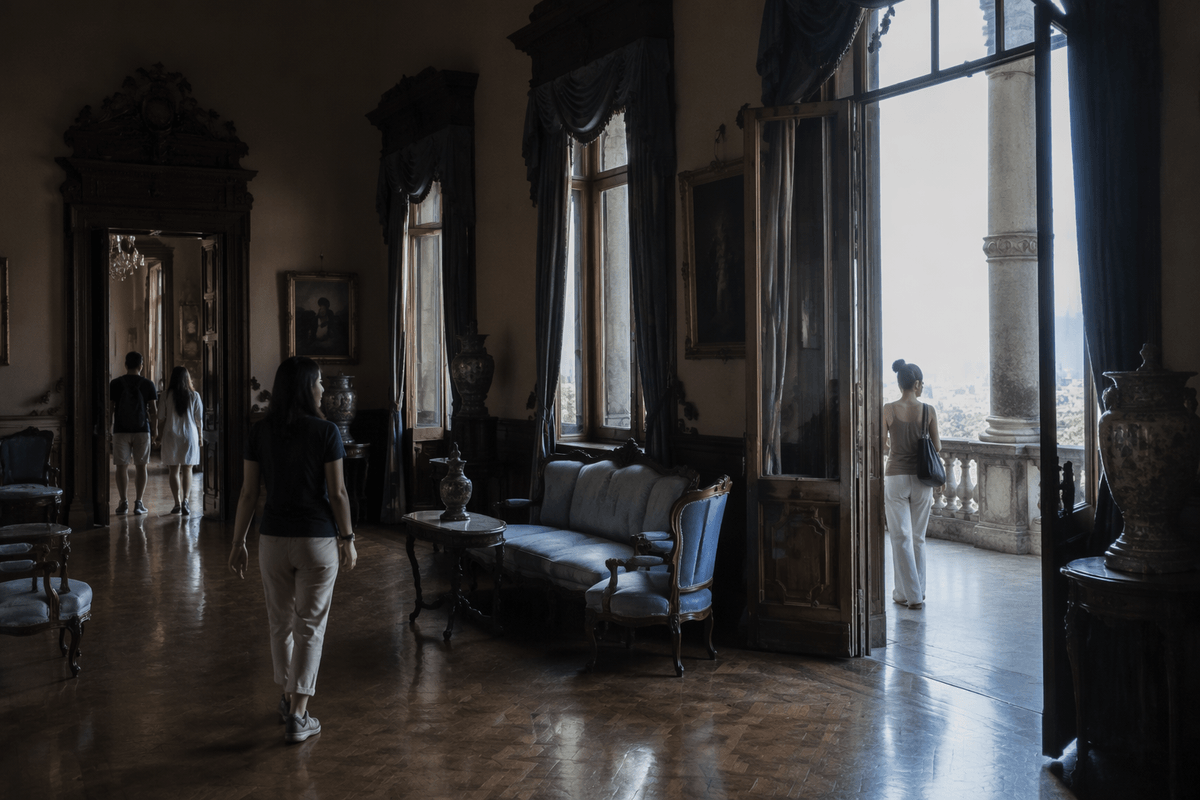
I hesitated at the bottom of the Chapultepec hill: castle first, or “save it for later” and start with the Museum of Anthropology. The castle wins in the morning—not because it’s objectively better, but because the climb is easiest before the sun is high and before your day gets heavy with museum feet. If you’re arriving from the U.S./Canada and still adjusting to altitude, budget the walk up as a slow, deliberate start; rushing it is how you end up sweaty, slightly lightheaded, and weirdly annoyed at a place you came to love.
Chapultepec Castle is the must because it gives you both history and orientation—views over Reforma, a sense of how big the city actually is, and enough indoor rooms to cool down when the weather flips. The friction point is timing: late morning can feel like one long shuffle through photo bottlenecks, so if you’re not in early, it’s smarter to pivot to something else rather than brute-force it.
The Anthropology Museum is the optional add that becomes “worth it” only if you commit to a few halls, not the whole thing. It’s massive, and trying to do it all after the castle can turn into a blur of labels. Pick a short list (Aztec/Mexica, Maya, and one wildcard), then leave while you still care. And yes, you’ll see malls nearby—skip them unless rain is brutal; they’re a time sink that costs you your one great park-and-culture day.
D3 Coyoacán: Must Frida; Opt Xochimilco; Skip queues.
The first decision in Coyoacán is whether you’re willing to anchor your whole morning to a timed entry: Casa Azul (Frida Kahlo Museum) works best when you treat it like an appointment, not a casual pop-in. I went in expecting a quick, emotional hit and left realizing the house is small enough that crowd density matters more than the label text. If you can book an early slot, do it—not for emptier rooms (it’s rarely empty), but because your afternoon stays flexible if the line situation gets messy or rain rolls through.
Once you’re out, Coyoacán rewards slower walking, but it can also punish indecision. The plaza area is pleasant, yet it’s easy to lose an hour to stop-start browsing and then look up and realize you’re now choosing between a proper lunch or the ride south to Xochimilco. If you want canals, commit to it right after Frida and go by ride-share; public transit can be perfectly doable, but the transfers add friction on a day that’s supposed to feel lighter.
Xochimilco is the optional add I only recommend if you can accept the chaos as part of the point: it’s loud, social, and not especially meditative, and weekends amplify everything. If you’re already tired or the weather is threatening, skipping the boats and staying in Coyoacán for a long meal is the move that keeps your 5-day plan intact—because the real queue to avoid isn’t just the museum line, it’s the slow creep of an overstuffed day.
D4 Roma/Condesa: Must street-food; Opt parks; Skip late bars.
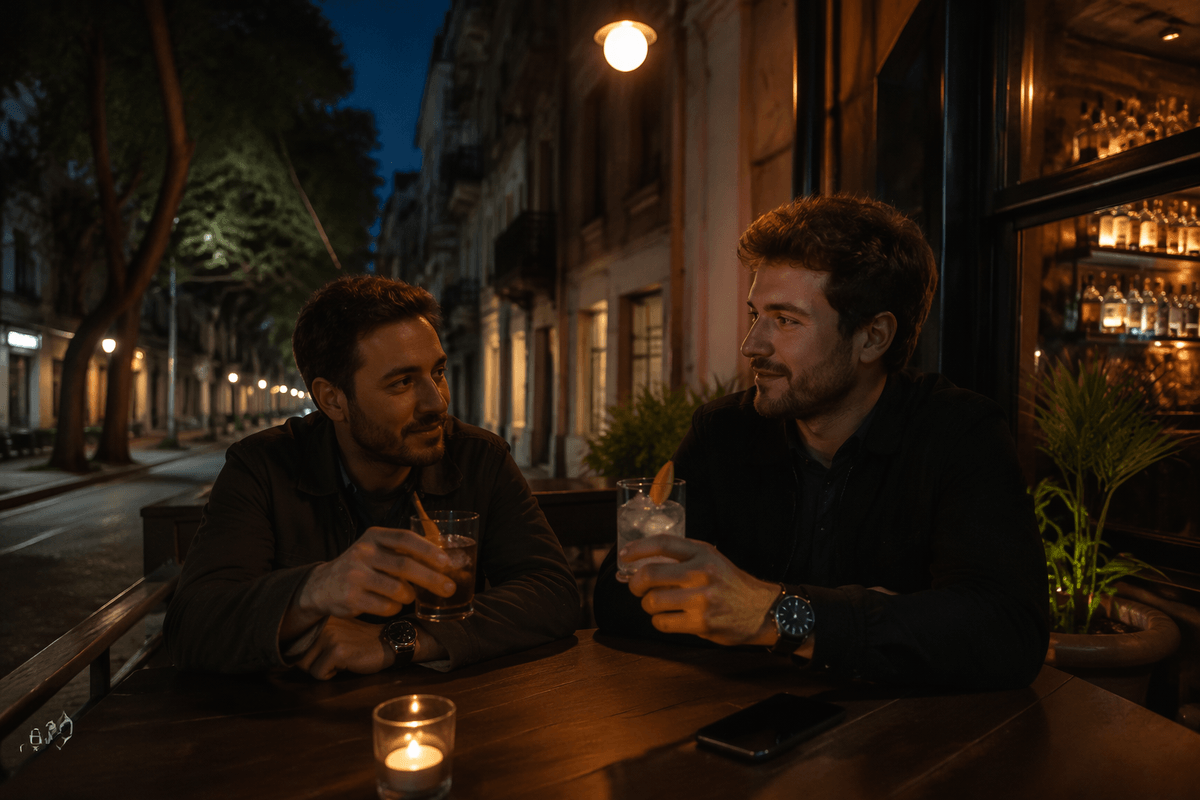
I planned Roma/Condesa as my “easier” day and still almost ruined it by trying to do dinner at peak hour without a backup. The neighborhoods feel made for wandering, but the moment you’re hungry and it starts raining (or everyone decides it’s taco time at once), you realize how quickly a low-logistics day can turn into a sequence of waits. What worked best was treating street food as the anchor: a focused crawl of two or three stops—tacos al pastor, something griddled, one sweet—then a sit-down coffee so you’re not eating standing up all afternoon.
Condesa’s parks are the optional add that makes sense when your feet and lungs need a reset. Parque México and Parque España are genuinely pleasant, but they’re not “destination” parks in the Chapultepec sense—go when you need shade, space, or a calmer hour between meals, not because you’re chasing a must-see. If the weather cooperates, this is also the day where walking beats ride-shares: short blocks, lots of crosswalks, and you’ll see more than you would from the back seat.
The skip here is late bars, not because nightlife is bad, but because the cost shows up the next morning. If you want a taste of nightlife, keep it early—one good spot, one round, home before the night becomes the plan.
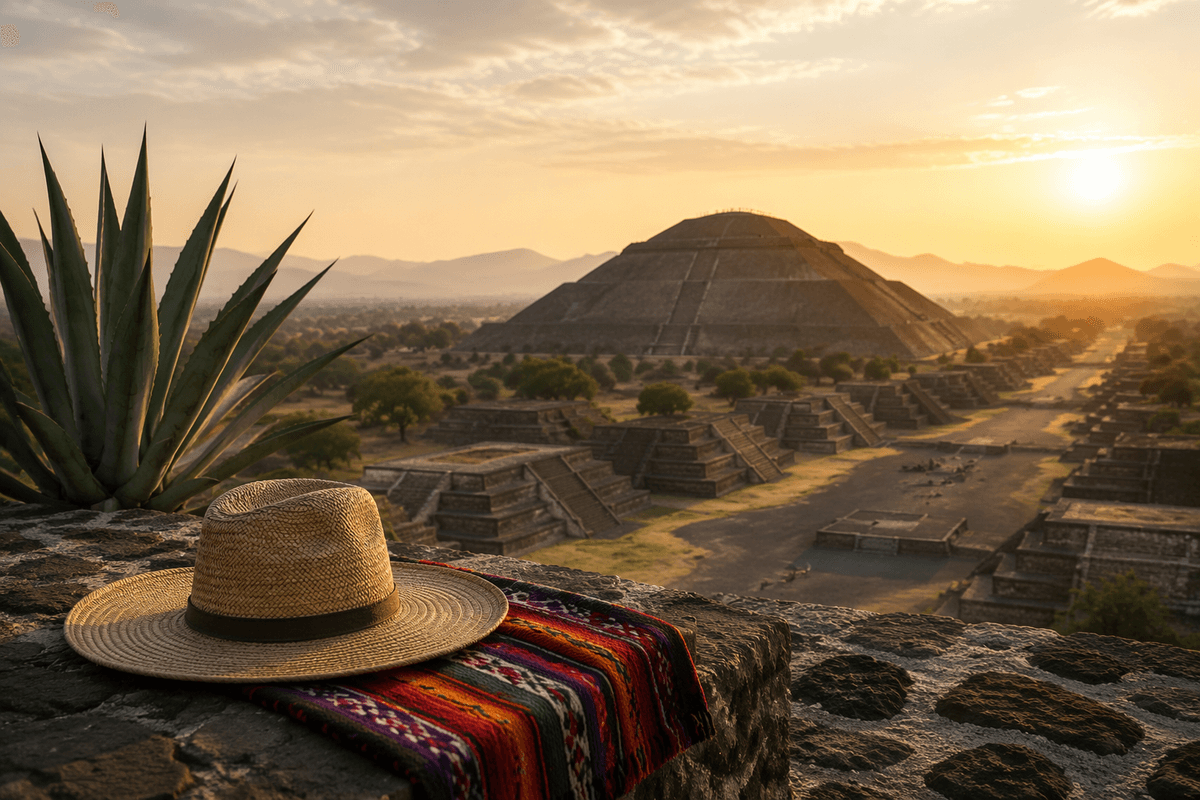
D5 Teotihuacan: Must sunrise; Opt La Merced; Skip shopping.
My alarm went off in the dark, and I briefly tried to negotiate with myself: “Sunrise is optional.” It’s not. Teotihuacán is the one day where an early start actually buys you something concrete—cooler air on the long walks, clearer views, and a site that feels spacious before the late-morning bus waves arrive. If you’re staying in Roma/Condesa, I found it simplest to commit to a pre-booked tour or a private ride-share rather than DIY transit at dawn; the cost stings a little, but the reliability matters when you’re running on sleep and altitude.
On-site, the constraint is your legs, not your curiosity. The complex is huge and exposed, and the “just keep going” mentality turns into slow, sun-baked decision fatigue. I liked picking a short must-loop (Avenue of the Dead + one big climb) and then calling it before it became a slog. Food options around the entrances are functional, but they’re not the meal you flew for—eat enough to stay steady, then save your appetite for the city.
If you still have energy back in CDMX, La Merced is the optional add that feels real in a way the souvenir corridor never does: loud, working-market energy, great snacking, and a little more edge. Go with your phone put away and a clear idea of what you want (fruit, juices, a specific meal), because wandering can get overwhelming fast. The thing I’d skip is “shopping time” after Teotihuacán—the site already asks a lot, and a forced crafts detour is how Day 5 stops feeling like a win.
Wrap-up: choose your pace, swap days, leave time.
On my last morning, the plan on paper was flawless—and my body wasn’t. Five days in CDMX is enough to do the “big hits,” but only if you treat your energy like a budget: altitude, heat, and crowds compound, and the city doesn’t reward stubborn scheduling. If you wake up flat, that’s not failure; that’s your cue to simplify before the day simplifies you.
If rain or lines wreck a museum day, swap Roma/Condesa in as the pressure-release valve (short distances, easy meals, flexible timing), and push the ticketed “appointments” (Frida, castle, major museums) to the clearest-weather windows. Keep Teotihuacán on the earliest morning you can stomach, then leave one unscheduled pocket—an hour that can become a long lunch, a ride-share back instead of a complicated transfer, or an early night that protects the next day. The win isn’t checking every box; it’s ending Day 5 feeling like you could come back.