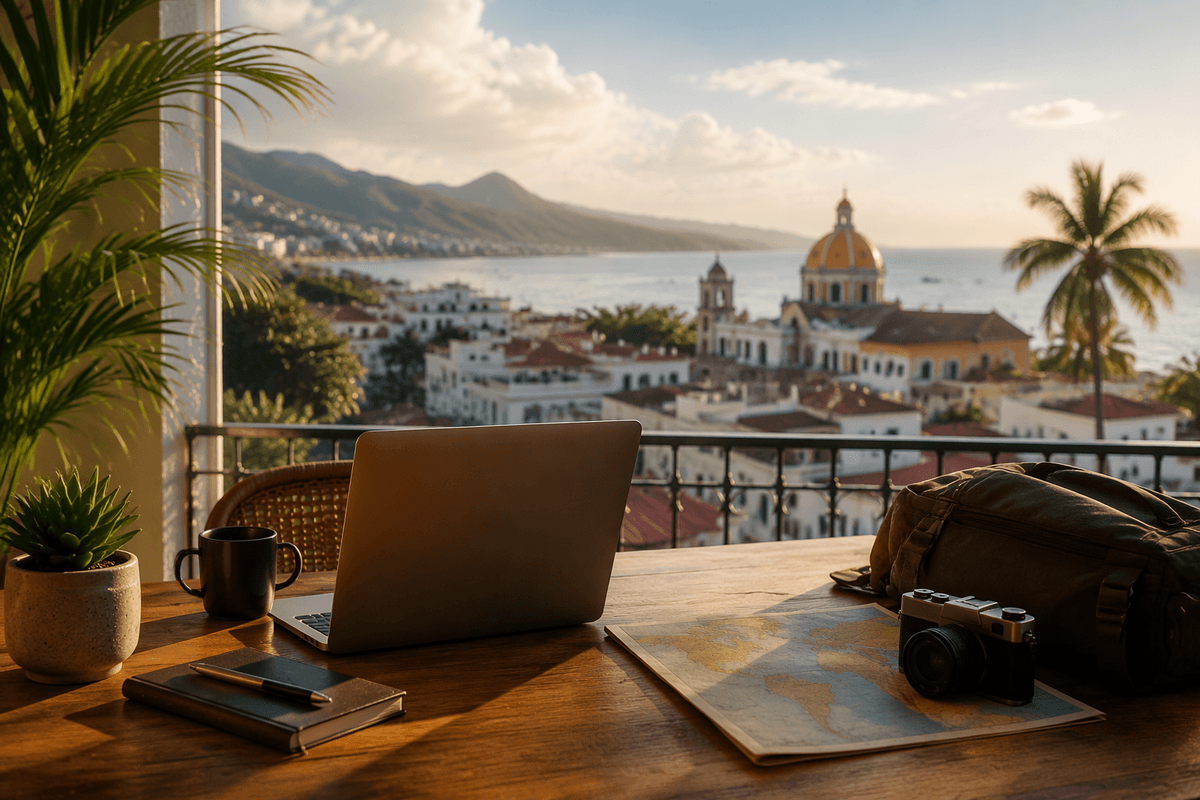
Why the Amalfi Coast feels tricky to plan
The first time I tried to “just map it out,” the Amalfi Coast looked simple—one ribbon of road, a handful of famous towns. Then the friction showed up fast: the places you want are vertical, the roads are narrow, and the time estimates lie a little. A five-mile hop can turn into a sweaty hour if you hit a bus line at the wrong moment, and suddenly your whole day is built around departures rather than views.
What makes planning feel slippery is that every choice solves one problem and creates another. Positano delivers the postcard drama, but it’s priced like it knows it—and hauling luggage up stairs is a real tax on arrival day. Amalfi is more practical for ferries, but it can feel busy in the center when day-trippers roll in. Sorrento is easier and often better value, yet it adds a layer of commuting that you’ll either appreciate (more breathing room) or resent (more clock-watching).
Transport is the final curveball: ferries are glorious when the seas cooperate, but they’re not a late-night safety net; buses are cheap but can be crowded and queue-heavy; taxis and private transfers save sanity but can swallow a mid-range budget. The Coast rewards a plan that’s deliberately small—one base, a couple towns, and zero heroics with luggage.
Pick your base: Positano, Amalfi, Ravello, or Sorrento
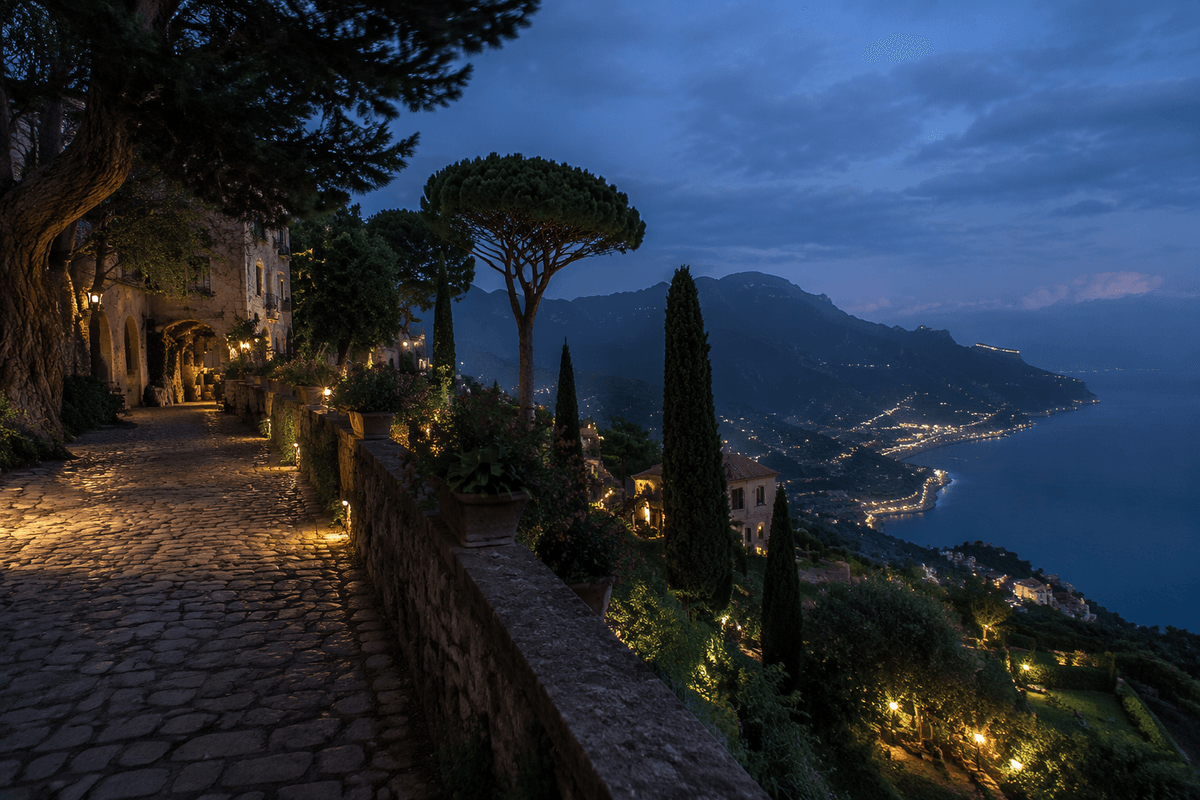
I realized my “one base” decision mattered most the moment I pictured dragging a suitcase up Positano’s staircases after a delayed train—romantic in theory, punishing in practice. If you’re flying into Naples or coming down from Rome with 4–6 days, I’d choose your base based on what you want to be easy: views, ferries, or logistics. You can’t make all three effortless, so pick the friction you can live with.
Sorrento is the most forgiving for arrivals and departures (especially if you’re using trains), and it’s usually the best value—but you’ll spend more time “commuting” to the iconic coast, which can turn sunset dinners into a timetable problem. Amalfi is the most efficient hub on the water: day trips by ferry feel smooth, and you can string towns together without touching a car, yet the center can feel crowded midday when boats and buses synchronize. Positano is the splurge base: maximum scenery, minimum flat ground, and prices that spike fastest; it’s worth it if the view is the point and you can handle stairs (and a higher transfer bill). Ravello is the quiet, elevated choice—gorgeous evenings, fewer day-trippers—but every outing starts with a climb down (and ends with one back up), so it’s best if you’re happy staying put more than you think.
Getting around: ferries, buses, cars, and transfers
The first morning I tried to “stay flexible,” I ended up planning my coffee around a departure board—because on the Amalfi Coast, transport isn’t background noise, it’s the day’s backbone. In good weather, ferries are the cleanest win: fast, scenic, and they spare you the road entirely. The catch is they’re seasonal, sea-dependent, and not a late-night solution, so a sunset dinner in another town can quietly turn into a taxi ride you didn’t budget for.
Buses (especially the SITA routes) are the cheap connective tissue, but they’re also where optimism goes to die in peak hours: queues can be long, seats aren’t guaranteed, and standing on hairpin turns isn’t everyone’s idea of vacation. If you’re moving with luggage, this is where I’d stop being principled and pay for a private transfer or taxi—it costs more, but it protects your arrival day and keeps you from wrestling bags through crowded stops.
Having a car sounds freeing until you meet the reality: tight roads, nerve-y driving, and parking that can be scarce or shockingly expensive. I’d only rent one if you’re sleeping somewhere with included parking and you’re intentionally doing early starts; otherwise, the “freedom” gets spent circling for a spot.
The essentials: top towns, views, and beach time
I felt the coast click into place the moment I stopped trying to “cover everything” and instead picked two towns that earn their effort. If you want the classic lookouts with minimal transit math, make Positano your visual anchor (even as a day trip): arrive by ferry if you can, walk up just far enough for the layered views, then call it before your legs (or patience) revolt on the stairs. Amalfi works better for a practical wander—cathedral, gelato, and a reset—though midday it can feel like everyone got the same memo.
For the best views-per-minute, I’d siphon off one half-day to Ravello for Villa Rufolo or Cimbrone; it’s calmer up top, but that bus ride back down can pinch you if you’re trying to stack too much before dinner. Beach time is where expectations need tuning: the prettiest water days often happen from a boat excursion or a small beach club, while the most convenient beaches are usually pebbly, tighter on space, and pricey once you add chairs. If you only do one “beach” moment, do it early—by noon, the coast feels more like logistics than leisure.
Timing, costs, and reservations that matter
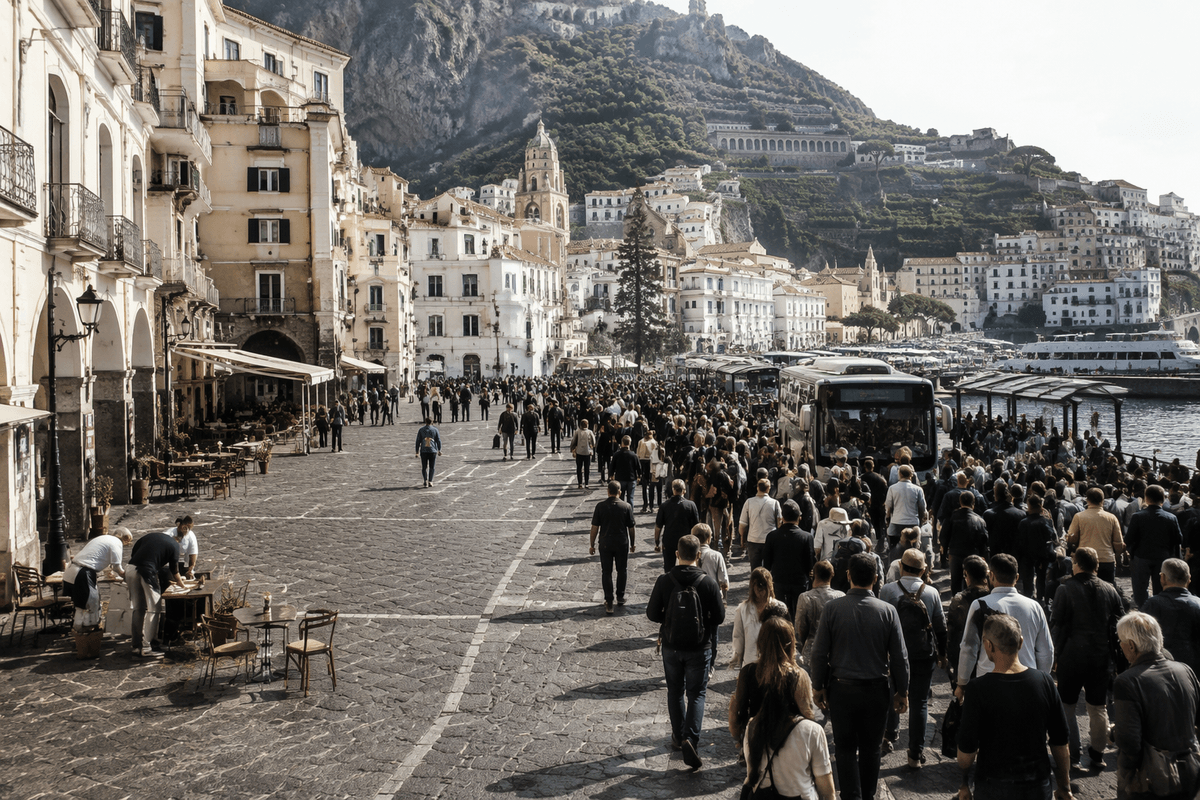
I learned quickly that “what time” matters as much as “where.” If you want Positano to feel like a place instead of a photo line, go early—either the first ferry wave or a breakfast arrival—then leave as the day-trippers thicken around late morning. The same rhythm applies in Amalfi: it’s nicest before the synchronized bus-and-boat arrivals, and noticeably calmer again once people start chasing sunsets elsewhere. The constraint is obvious but real: early starts buy you space, but they also lock your day to a timetable, especially if you’re trying to avoid a pricey taxi home.
Costs on the coast aren’t death-by-one-big-ticket; they’re death-by-small-upgrades: a “quick” taxi when the last ferry is gone, a beach club day that quietly doubles once you add chairs and lunch, a private transfer that’s worth it with luggage but stings on principle. If you’re traveling mid-range, reserve the things that remove failure points—one or two keyed dinners (especially with a view), a boat trip you’d be sad to miss, and any transfer on arrival/departure day. Everything else can stay flexible, as long as you’re willing to eat earlier or slightly off the main piazzas when crowds compress options.
A simple “do this, skip that” Amalfi Coast mindset
On a first trip, I’d run the coast like a tight menu: choose one base and protect it from “just one more move.” If you want the easiest logistics, sleep in Sorrento and accept you’ll trade some spontaneity for commute time; if you want the cleanest day-trip flow, base in Amalfi and work around midday crowd surges; if the view is the point, Positano is worth a night, but only if stairs and higher transfer costs won’t sour day one.
Do: one early Positano window, one Ravello half-day, one boat-or-beach moment you’ll actually remember, and one reserved dinner so you’re not hunting at peak hour. Skip: