You’re not choosing a country, a feel
At 11:40 p.m., I had seventeen tabs open and a spreadsheet column labeled “best countries,” but the map kept lying to me. Portugal looked “close” to Morocco until I priced a same-week flight and realized my neat triangle was a full travel day plus a pricey hop. That was the moment I hesitated: am I choosing a destination, or am I choosing a rhythm I can actually live inside for 2–3 weeks?
Rankings make it sound like you’re hunting for a winner, when you’re really picking a feel: city-stacked food crawls versus early hikes and quiet afternoons; museum-heavy culture versus street-level rituals that happen on a schedule you don’t control. A country can be brilliant and still wrong for you in a given season—rain can flatten mountain plans, heat can turn “walkable” into “I need a taxi,” and festival weeks can mean either electric nights or sold-out rooms. For a mid-budget remote worker, the trade-off is usually between depth (one base, fewer transfers) and variety (more moves, more friction).
If you only have one big trip a year, your best move is to choose the balance you’ll enjoy on tired days, not just your peak days. Some places reward slow mornings and short day trips; others punish you if you don’t chase distances early. When a shortlist starts forming, ask: will I be happier eating my way through one region, or burning cash and energy stitching three “must-sees” together?
Start with your food travel style
On a Tuesday at 8:10 a.m., I tried to book a “quick” Michelin lunch in Lisbon and realized the only table left was 3:30 p.m.—right when I’d planned to catch a train. I paused with the reservation page open, because this is where trips start to bend: do you eat on a schedule, or do you eat when the day lets you? That one click was the difference between a relaxed food-first base and a week of constantly negotiating time.
Start by naming your food travel style without pretending they’re equal. If you want markets, counter stools, and “what’s good here?” meals, you’ll do better in places where great food is casual and frequent—think coastal towns and medium cities where you can eat well without booking ahead. If you’re chasing specific restaurants, you’re signing up for fixed hours, dress codes, and sometimes non-refundable deposits; it works best when you’re happy anchoring in one city and letting nature be day trips, not a moving target.
Street-food nights plus early hikes sounds perfect until you remember humidity, jet lag, and the 40-minute rideshare back from a trailhead when you’re hungry. A country with strong regional dishes rewards slow travel (one region, fewer transfers), while a “greatest hits” route can turn meals into snacks between buses. If you’re overwhelmed already, pick a base where food is easy on weeknights and culture happens nearby—your future self at 9 p.m. will thank you.
Match landscapes to your pace
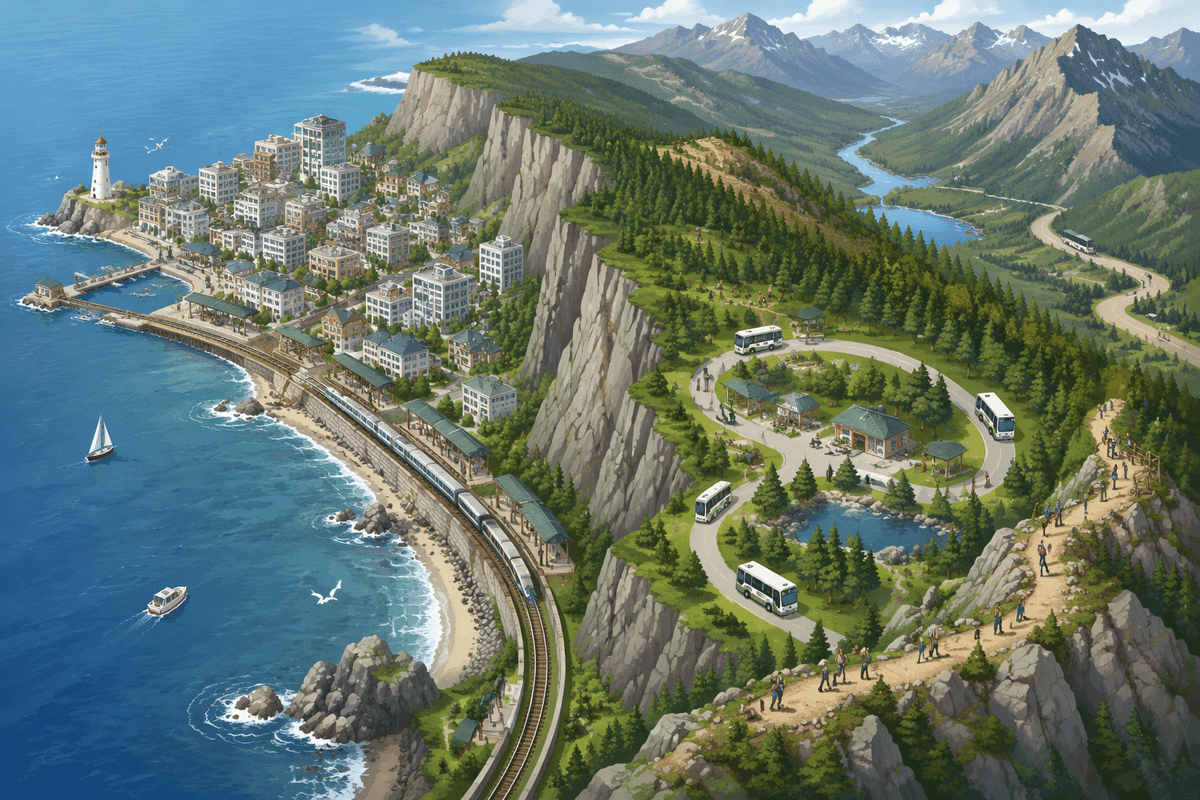
At 6:25 a.m., I stood in a dark Airbnb kitchen packing a granola bar and a rented rain jacket, staring at a bus timetable that only ran twice a day. The trailhead was “just” 38 miles away, but the transfer window was nine minutes, and missing it meant losing the whole hike. That’s the kind of pause that tells you whether your landscape dreams fit your actual pace.
If you like nature as a steady background—morning walks, a couple of bigger days, then back to a strong food scene—pick places where landscapes sit close to cities and run on reliable transport. Coastal cliffs near train lines, national parks with shuttles, or mountain valleys with frequent buses work better than “epic” regions that require a car, early starts, and long drives that eat your best eating hours. The easier logistics usually means more people, more timed entry, and that slightly choreographed feeling on popular viewpoints.
If you’re the type who wants wide-open scenery and doesn’t mind friction, commit to fewer bases and let the landscape set the schedule. Remote areas can be incredible, but they punish indecision: limited lodging, short daylight in shoulder seasons, and weather that can cancel your one big hike. A good test is this—after a full workday, do you want a 25-minute trail from town, or are you willing to spend two hours each way for the “wow” shot you might not even get?
Culture depth: museums or living traditions
At 4:55 p.m. I was in line for a museum that “closed at 6,” watching the last-entry sign flip to 5:00 sharp while a tour group surged forward. I hesitated with my ticket page half-loaded, because museums reward punctuality the way mountain buses do: miss the window and your whole evening plan changes. It felt neat on paper, and weirdly unforgiving in real time.
If your idea of culture is curated—masterpieces, archaeology, design, the quiet satisfaction of context—then big-city museum networks are the efficient choice. You can stack them between work blocks, control the weather problem, and know what you’re getting, but the trade-off is crowds and timed-entry friction in peak seasons (plus Mondays that erase a plan). Living traditions are the opposite: food stalls that only appear on certain nights, a ceremony that starts late because it starts late, a neighborhood that feels “flat” until you’re there at the right hour. They’re often cheaper and more memorable, but they don’t bend to your calendar.
For a once-a-year trip, ask which kind of culture you’ll actually show up for when you’re tired. Museum depth works for people who like structure and don’t mind reserving slots; street-level culture works for travelers who can leave space and tolerate imperfect information. When you’re shortlisting, check the unsexy details—opening days, festival weeks, dress rules, last trains—then pick the version of “culture” you won’t resent on day ten.
Countries that nail food, nature, culture
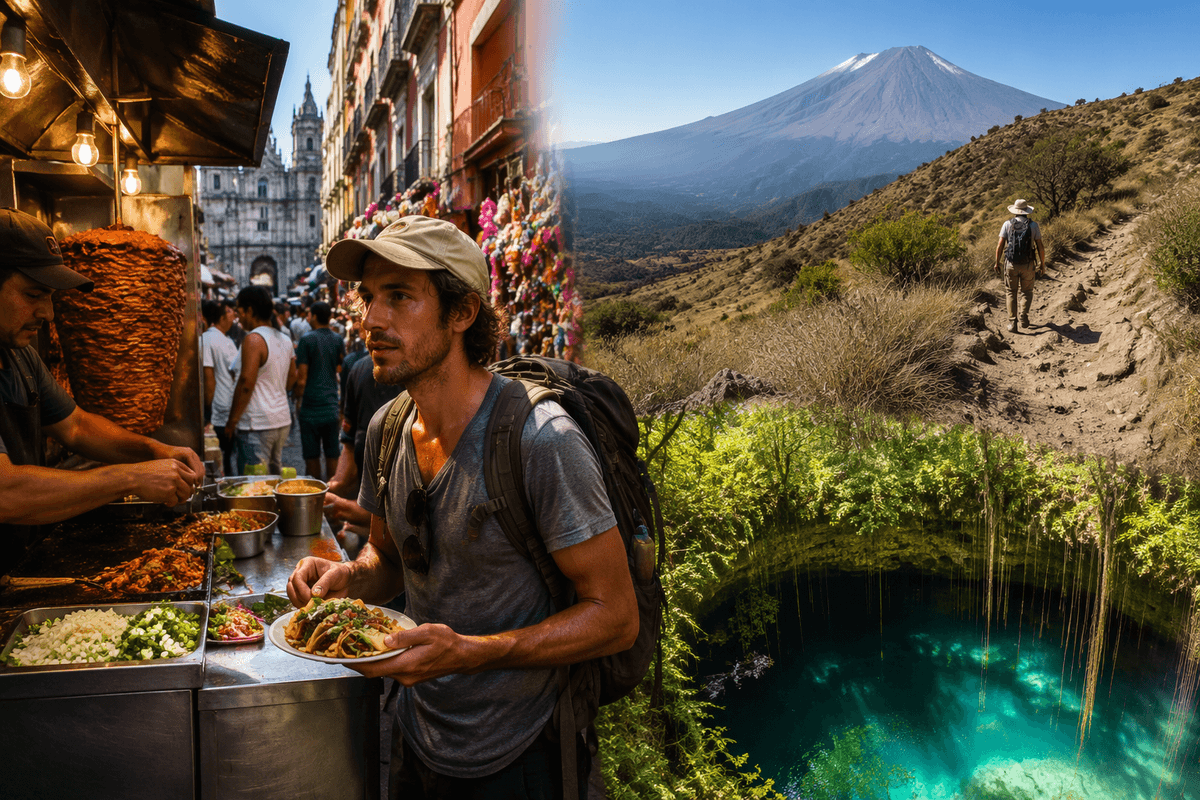
At 9:17 p.m., I was toggling between two flight tabs—Mexico City and Tokyo—while the calendar kept nudging the prices up every time I refreshed. The cheaper option had better food “coverage,” but the expensive one lined up with a shoulder-season weather window. That’s the real booking friction: you’re not choosing a place, you’re choosing which constraints you can live with for 2–3 weeks.
If you want the cleanest three-way balance with minimal transfers, Japan is almost unfair: city food at every price point, day-trip nature that actually runs on schedules, and living culture that’s easy to bump into without chasing festivals. The trade-off is cost (especially last-minute trains/hotels in peak weeks) and the fact that “quick” detours still take time. Mexico is the opposite bargain: world-class eating, strong craft/ritual life, and nature access (volcano hikes, beaches, cenotes) that can be incredible—if you accept more variability in buses, altitude fatigue, and heat that changes your walking range.
For Europe-style ease, Italy works when you’re happiest doing nature in smaller doses—coast, lakes, hill towns—between long meals and museum hours; it’s less ideal if you need big wilderness without a car. Vietnam shines for mid-budget remote workers who can tolerate route inefficiency: unbelievable food and street-level culture, plus mountains/coast, but weather splits the country and internal flights quietly eat your “slow travel” dream. Pick the one where your tired-day plan still feels good: a neighborhood dinner, a short hike, and culture you don’t have to schedule.
How I’d choose for your first trip
At 7:12 p.m., I was staring at a three-city route and a return flight that left at 6:45 a.m., doing the math on sleep like it was a budget line item. The plan looked “efficient” on a map, but it meant two late-night arrivals and one midday transfer that would land right on my best eating window. That tiny hesitation—do I really want to spend my nicest dinners holding a backpack?—is where I’d start your first-trip decision.
I’d pick one anchor (10–14 nights) and one lighter side chapter (4–6 nights), then let season decide the latitude instead of fighting it. If you want the smoothest food+nature+culture blend with low logistical drag, Japan is the clean default: rail day trips, predictable hours, and a street-to-mountain rhythm that still works after a workday—just accept higher nightly costs and occasional sellouts. If budget and big flavors matter more than perfect transit, Mexico gives you absurd eating value and living culture, but you’ll pay in heat, altitude, and “it’ll arrive when it arrives” buses.
Then I’d apply one fatigue rule: if your day requires a flight and a long ground transfer, it doesn’t count as a sightseeing day—so don’t build the trip like it does. If you’re torn, choose the place where a boring Tuesday sounds good: a market lunch, a 30–60 minute nature escape, and an evening that doesn’t need a reservation. That’s usually the country you’ll love, not just admire.