Most visitors think Tokyo calm requires leaving
The pause hit at 3:17 p.m. on the Yamanote Line platform, wedged between a school group and a suitcase that kept bumping my shin. I hovered over a map pin labeled “quiet temple,” then noticed it was 68 minutes away with two transfers. The temptation was to flee the city for calm, like Tokyo only exhales past the last stop.
That’s the misread: Tokyo’s noise is intense, but the calmer pockets are often one or two stations from the chaos—if you pick places that absorb crowds instead of attracting them. A garden with wide paths can feel calmer than a “secret” alley that funnels everyone into the same ten meters. The trade-off is you’re rarely alone; what you’re buying is softer sound, slower walking speed, and fewer forced interactions, not total silence.
On a 4-day trip, a long detour for “peace” can leave you rushed and grumpy, especially if you arrive near closing or right when tour buses unload. Aim for calm breaks that sit on your existing lines, and treat timing like a ticket: early openings, late-afternoon lulls, and weekdays do more than chasing distant neighborhoods. If a spot is famous online, assume it won’t be empty—just decide whether “less loud” is enough for you.
Shinjuku Gyoen and Rikugien gardens
I hesitated at the Shinjuku Gyoen entrance with a convenience-store coffee sweating through the cup sleeve, watching a small line form under the ticket window. It was barely after opening, yet half the people near me were already angling for photos, not a walk. The park still worked, though: inside, the noise dropped fast, like stepping off a main road into a carpeted hallway.
Shinjuku Gyoen is calm by capacity, not secrecy—broad lawns and multiple loops let crowds spread out instead of bottlenecking. It’s an easy reset if you’re already doing Shinjuku, Harajuku, or Meiji Jingu, and the trade-off is you’ll share the space with plenty of other “quiet seekers,” especially on weekends and in blossom seasons. Go early for the softest sound, or late afternoon for fewer kids and slower foot traffic, but watch closing times so you’re not speed-walking your “peace break” back to the gate.
Rikugien, by comparison, feels more curated and hushed, with a strolling-pond layout that nudges everyone into the same scenic bends. That makes it prettier per minute, but also easier to feel crowded if you arrive in the middle of the day. It fits best when you’re already near Komagome or swinging through the north side (Ueno-ish routes), and less well if you’re based in Shibuya and hate transfers. If you’re choosing one: Gyoen for breathing room, Rikugien for a tighter, more deliberate kind of quiet.
Nezu Shrine and Yanaka Cemetery
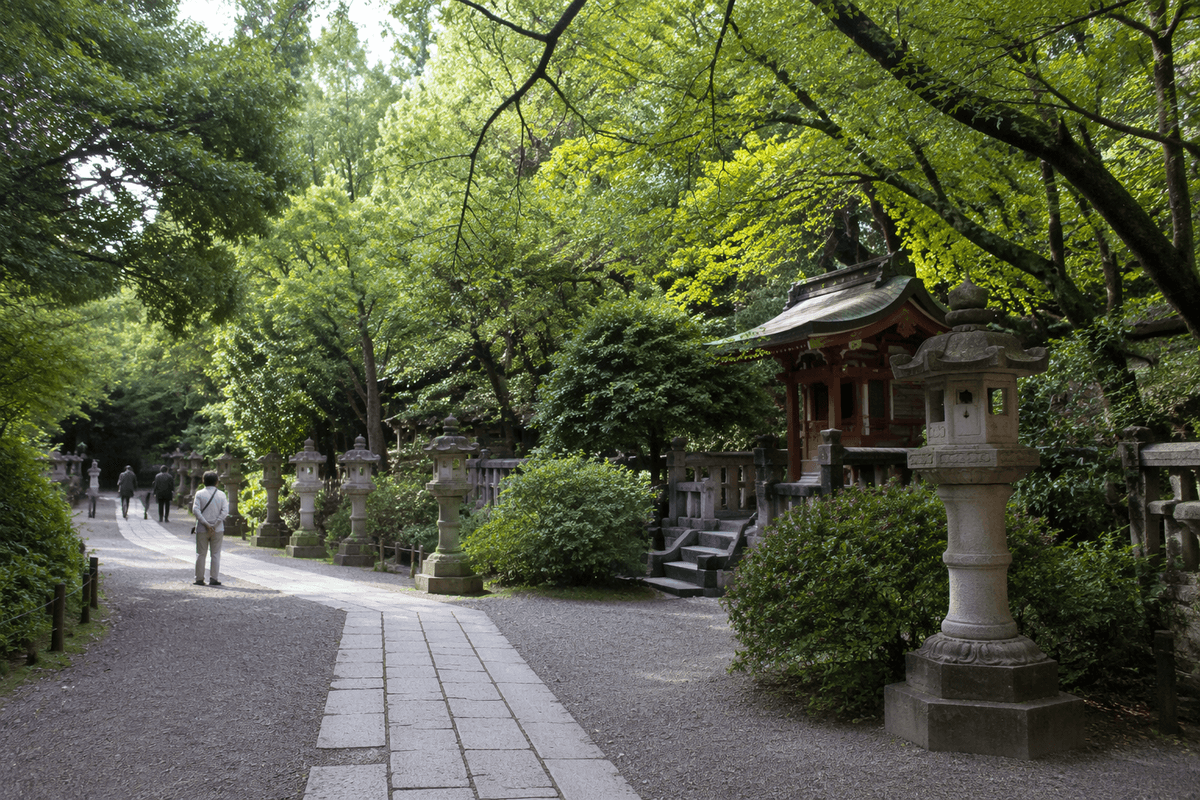
I paused just outside Nezu Shrine’s torii tunnel with a printed goshuincho in my hand, trying to decide if it was worth ducking in or saving it for “later.” A couple in front of me stopped dead to frame the orange gates, and the foot traffic behind them started to stack up. It wasn’t loud, exactly—more that familiar Tokyo squeeze where your quiet moment depends on whether someone else is done taking their photo.
Nezu works best as a calm stop that’s still on the grid: close enough to Ueno/Sendagi that you’re not burning an hour just to decompress. The famous torii path can feel like a single-file exhibit at peak times, while the wider grounds and side paths stay noticeably softer. If you’re the type who gets annoyed by “hidden gem” crowds, aim for early morning on a weekday; if you just need a quieter pace between museums and markets, late afternoon can be gentler—unless you’re chasing stamps and the office closes before you arrive.
Yanaka Cemetery is the opposite kind of quiet: less curated, more lived-in, and it only stays peaceful if you treat it like a walk, not a checklist. It’s easiest to pair with Yanaka Ginza or a slow loop from Nippori, but it doesn’t deliver dramatic scenery the way a garden does. What it offers—especially in the hours when the sun drops and the lanes cool—is space to walk without an agenda, which is sometimes the rarest thing in Tokyo.
Todoroki Valley and Kiyosumi Gardens
I got off at Todoroki Station with my phone at 12% and a sticky July heat already sitting on my shoulders, half-convinced the “valley” thing was just branding. Two minutes later, the street noise dropped as the path dipped down, and I caught myself walking slower without deciding to. It’s a strange contrast: you’re still in Setagaya, but the air feels cooler once you’re under trees.
Todoroki Valley works when you want a quick reset, not a big “garden day.” The limitation is scale—this isn’t a long hike, and after rain the footing can be slick, so sandals and rushing don’t mix. Midday can bring families and local walkers, but it usually disperses better than a shrine photo spot; you’ll still pass people, just not in the same compressed way. It fits best if you’re already orbiting the Den-en-toshi/Oimachi side, and less well if you’re anchored in Asakusa and hate cross-city transit.
Kiyosumi Gardens is the more reliable calm: designed paths, a pond that pulls your gaze outward, and benches that feel made for a quiet ten-minute sit. The trade-off is it’s “calm” in a managed way—beautiful, but you’ll follow the same loops as everyone else, especially on weekend afternoons. Go early or later in the day if you want fewer tripods, and pair it with nearby neighborhoods (Monzen-Nakacho/Kiyosumi-Shirakawa) so it doesn’t become a detour you resent.
Timing tricks to dodge the noise
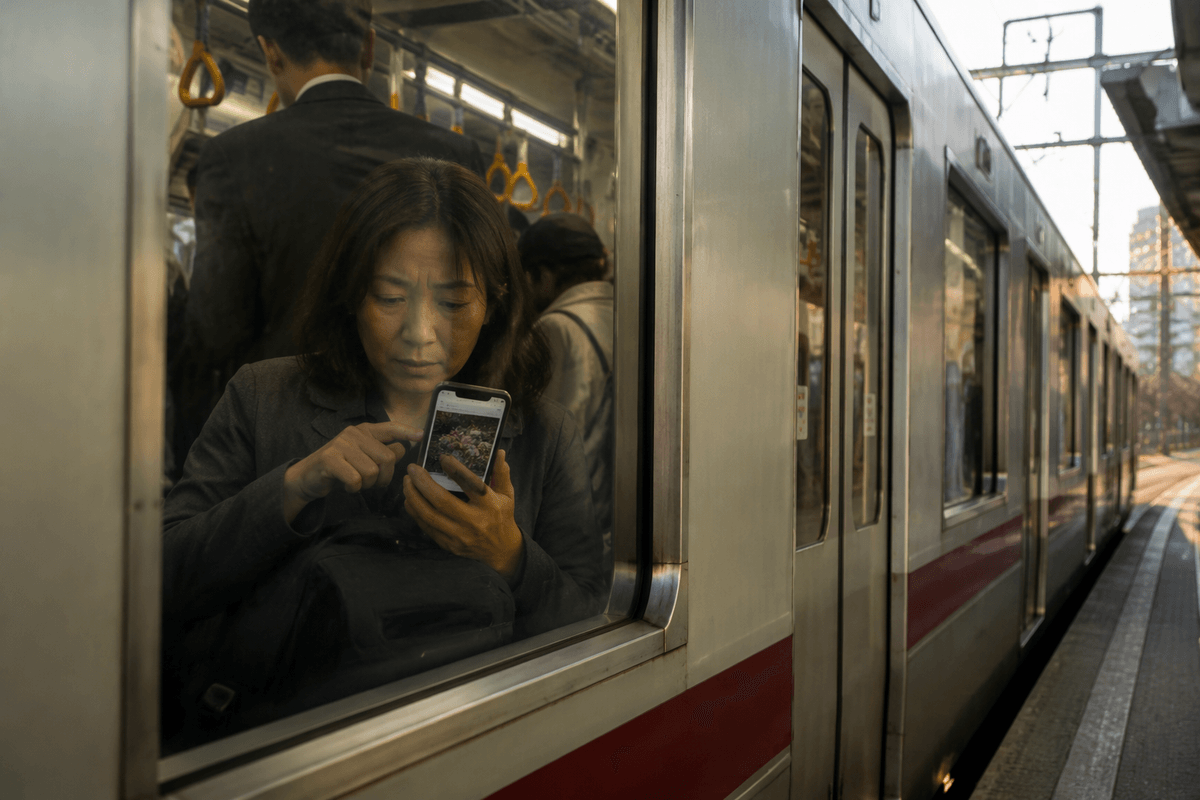
At 4:42 p.m. I watched the last-entry time tick closer on a garden website while my train sat outside a station, doors stubbornly shut. The mistake wasn’t choosing a “calm” place—it was assuming calm is available on demand. In Tokyo, quiet is often a timing window you either catch or miss.
The cleanest trick: use opening hour like a reservation. If you can be at Shinjuku Gyoen, Rikugien, or Kiyosumi Gardens within the first 30–45 minutes, you’ll get fewer photo-stops-per-meter and more actual walking space, even on popular days. Late afternoon can also soften the vibe, but it’s a trade-off: you’re gambling against closing times and slower transit. Build in a 20-minute buffer for transfers so your “reset” doesn’t turn into a sprint.
For shrines and neighborhoods, aim for “off-photo” hours. Nezu Shrine’s torii tunnel clogs when people arrive in clusters; earlier weekday mornings behave more like a passage than an exhibit, and you can save stamp-hunting for when the office is actually open. Yanaka Cemetery and Todoroki feel best when the day cools and commuters thin out, but rain changes the deal—slippery paths, slower pace, fewer casual visitors. If your pinned stop is trending online, treat midday as the loudest version of it and plan your calm break around that.
A simple one-day calm itinerary
At 8:11 a.m., I stood on the wrong side of Shinjuku Gyoen’s gate with a bakery bag warm in my hand, watching the first wave of commuters thin out and the first wave of parkgoers thicken. The choice felt petty—walk ten minutes to coffee, or get inside before the photo-stops start. I went in, because “later” in Tokyo is usually code for “with more people.”
If you want a one-day calm loop that doesn’t eat your whole trip in transfers, keep it geographically honest. Morning: Shinjuku Gyoen right at opening, then ride across to Nezu Shrine before lunch; the torii tunnel may still have traffic, but the wider grounds read quieter than the choke point. After a quick bowl nearby, walk Yanaka Cemetery as a decompression corridor—this works best if you’re fine with “soft” calm (shade, space, slower pace) rather than a big scenic payoff.
For the afternoon, pick one garden reset instead of trying to collect them all. Kiyosumi Gardens is the cleanest “sit and breathe” option if you can reach Kiyosumi-Shirakawa without hating your route; aim for the last couple of hours, but don’t cut it close to closing. Todoroki Valley is calmer-by-contrast, yet smaller and weather-dependent—great if your legs are tired and you don’t want a managed loop. If you’re torn, choose the stop that keeps you on your existing lines; calm that requires a sprint usually isn’t calm.