Why three days on NorCal’s coast feels too short
Standing at the rental-car counter at SFO, the first friction point hits: three full days sounds generous until you map Highway 1 and realize it’s not a “get-there-fast” road. The coastline rewards slow driving—pullouts, fog lifts, a bakery stop that turns into a half hour—and all of that steals time from your big nature moment.
What makes this stretch feel too short is that the best stops don’t stack neatly. Point Reyes wants daylight and decent visibility; Mendocino is prettier when you’re not rolling in at dusk; the redwoods deserve at least a loop that isn’t rushed. Try to do all three “properly” and you’ll end up eating meals in the car and skipping the very walks that justify being there.
The workable approach is choosing one standout nature anchor per day (bay, headlands, or redwoods), then keeping the rest lightweight. You’ll still get iconic scenery, but you won’t pay for it with constant packing, parking hunts, and late-night check-ins—especially if you’re traveling on a weekend when lodging fills early and traffic bottlenecks around popular trailheads.
Day 1: San Francisco→Point Reyes—Must: Tomales Bay; Opt: Alamere; Skip: detours
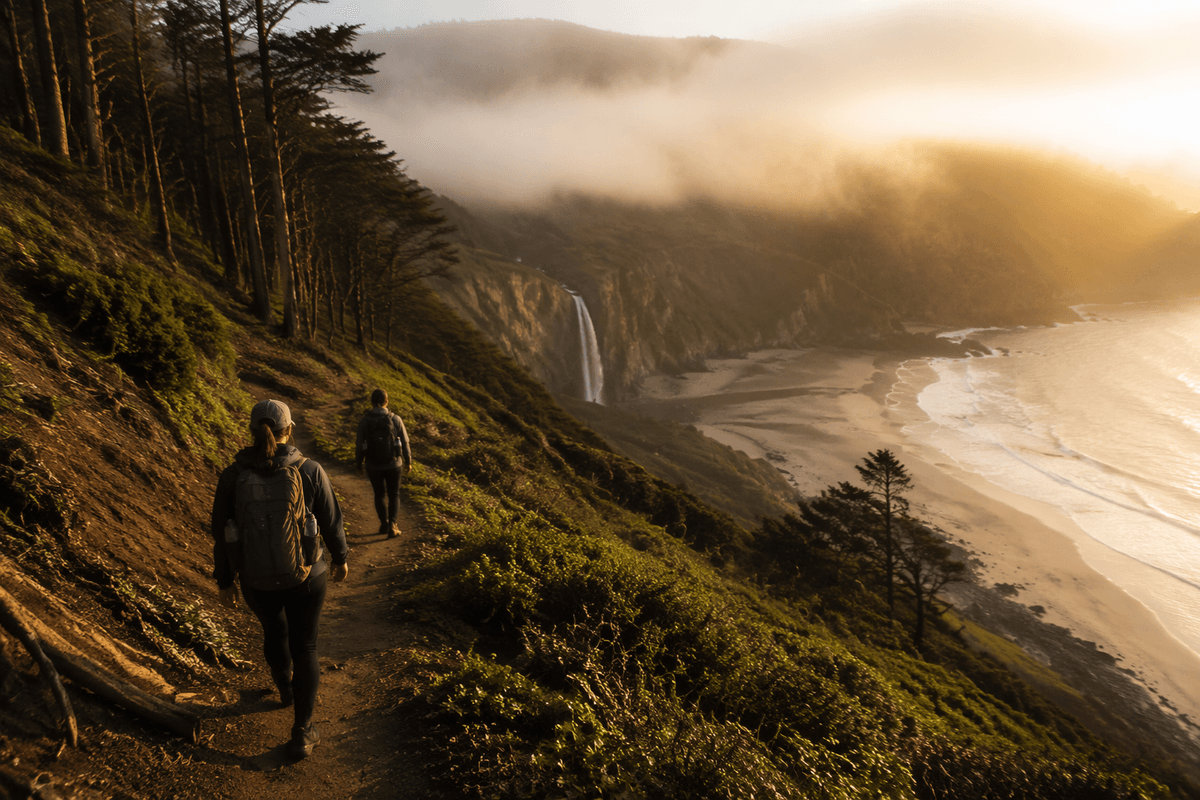
The first real decision comes fast: do you leave San Francisco early enough that Point Reyes feels like a day in nature, or do you “start slow” and arrive just in time for dinner? If you can be rolling by 9 a.m., the drive up and over the Golden Gate stays painless, and you’re not immediately fighting weekend traffic near Stinson Beach. I’d aim straight for Tomales Bay as the day’s anchor—because it delivers that coastal-calm feeling with minimal effort, and it still works when the headlands are socked in with fog.
Tomales Bay rewards a simple plan: pick one waterside stop (Marshall for oysters, or a picnic pullout if the lines are long), then give yourselves a short walk nearby rather than cramming in three viewpoints. The constraint here is logistics—parking is limited, service can be spotty, and “quick lunch” can quietly turn into an hour if you hit peak time. But if you embrace that slower pace, it’s one of the few places on this route where you can genuinely decompress without needing a big hike to earn it.
If you’re debating Alamere Falls, treat it as an intentional add-on, not a casual detour. It’s beautiful, but it’s also time-expensive (and feels longer on tired legs), and you’ll enjoy it more on a clear day when you’re not racing sunset. On a three-day trip, I’d only do it if you’re energized and you’re willing to let smaller stops go—because stacking extra beaches and “just one more overlook” is how Day 1 quietly becomes a drive-and-park marathon.
Day 2: Point Reyes→Mendocino—Must: Highway 1 views; Opt: wine stop; Skip: city time
The moment Day 2 either works or unravels is when you realize Mendocino looks “close” on a map but doesn’t behave that way on Highway 1. Leaving Point Reyes after a leisurely breakfast is tempting, yet the road north rewards daylight more than it rewards spontaneity—fog can flatten the views, and every cliffside pullout turns into a micro-decision: stop now, or trust there’s a better one ahead. I’d commit to the drive as the main event and plan only two intentional photo/view breaks, otherwise you’ll arrive in Mendocino with plenty of scenery but no time to actually walk the bluffs before dinner.
The must here is staying coastal as much as your patience allows. Highway 1’s views north of Bodega Bay feel more dramatic when you’re not fighting the “are we there yet” clock, but it’s also slower than you expect and can get stressful if you’re stuck behind a cautious convoy. If you’re traveling on a weekend, add buffer for small-town slowdowns and the occasional one-lane pinch—this is where schedules get optimistic fast.
If you want a wine stop, make it a deliberate pivot inland for a single tasting (think: one hour, not a tasting crawl). It can be a nice reset from constant driving, but it also pulls you away from the coastline you came for, and it’s easy to underestimate the time cost of getting back to Highway 1. What I’d skip on this day is “city time” in Santa Rosa or similar—those errands and lunch hunts are exactly how you trade a relaxed Mendocino arrival for late-afternoon fatigue.
Day 3: Mendocino→Redwoods loop—Must: Avenue of Giants; Opt: Fern Canyon; Skip: long hikes
The morning we left Mendocino, the first question wasn’t “how do we see the redwoods?”—it was “how much of today do we want to spend behind a windshield?” The fastest line north pulls you inland, and that’s the right call if you want the trees to feel unrushed. Build your day around one redwood corridor, not a grab-bag of groves, because the real time leak isn’t the miles—it’s the constant temptation to stop every five minutes once the trunks start getting ridiculous.
If you do one thing, make it the Avenue of Giants. It’s the rare “iconic” stop that’s actually efficient: you get multiple short walks, big payoff viewpoints, and an easy rhythm of pullouts without committing to a major hike. What doesn’t work well is trying to pair it with a long, named trail “because we’re here.” Even a moderate hike adds a hidden cost—finding the trailhead, snacks, bathroom timing, and the slow realization that you still have a long drive back toward wherever you’re sleeping.
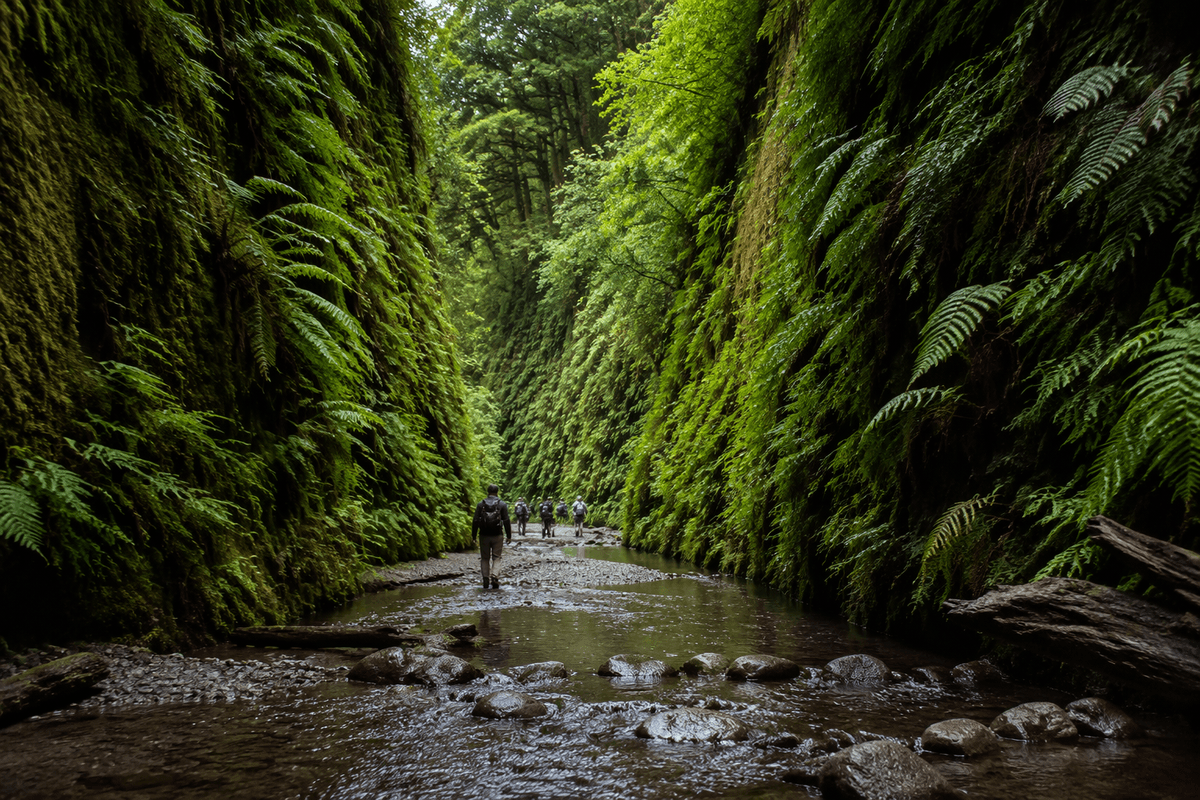
Fern Canyon is a great optional swing if you’re energized and conditions cooperate, but it’s the kind of add-on that can quietly take over the day. Access can be fussy in peak season (parking, road conditions, occasional restrictions), and the coastal route in and out is slower than it looks. If you choose it, treat it as the only extra: do a short canyon wander, keep expectations flexible if it’s crowded or damp, and skip the “one more loop” hikes that turn a scenic day into a late, tired check-in.
Where to stay, eat, and time stops without stress
The least stressful lodging choice is the one that protects your daylight. Around Point Reyes, staying in Olema/Inverness (or even as far as Petaluma) changes the whole feel of Day 1: closer means you can squeeze in a sunset bluff walk, but you’ll pay more and book earlier; farther east is usually easier on the wallet and availability, but it adds morning drive time right when trailhead parking starts to tighten. I’d also pick places with self check-in if you can—late arrivals happen on Highway 1, and nothing spikes the mood like racing a front-desk cutoff.
In Mendocino/Fort Bragg, choose based on what you want to do at 7 p.m. If you want a walk on the bluffs after dinner, Mendocino is more “step outside and you’re there,” but Fort Bragg tends to be more practical for price and parking—just less charming when you’re tired. Either way, plan dinner like an activity, not an afterthought: a long sit-down meal is restorative, but it can also eat the only window you had for golden-hour light if you roll in late.
Timing-wise, the quiet win is anchoring each day around one fixed meal stop and keeping the rest flexible. Oysters on Tomales Bay are worth it when lines are reasonable; when they’re not, it’s smarter to pivot to a picnic and keep moving than to burn an hour standing around. And don’t “gas later” on remote stretches—detours for fuel and bathrooms are the sneaky tax that turns a relaxed itinerary into a string of small emergencies.
Choosing your musts, then enjoying the coastline
On a three-day run, the move that keeps you happy is picking your “must” as something you can actually do by 2 p.m.—not something that requires a perfect chain of traffic, parking, and weather. If you love small towns, protect Mendocino’s evening and keep Day 2 pullouts to a couple; if you’re here for trees, go inland earlier on Day 3 and let the redwoods be the day instead of a checkbox.
Then give yourselves permission to skip in real time. When a trailhead lot is full or the fog won’t lift, that’s not failure—it’s a cue to pivot to a shorter walk, a calmer meal, or an earlier check-in. The coastline is better when you stop trying to “win” it; choose the one thing you won’t negotiate each day, and let everything else earn its place by being easy.