The real choice isn’t a month, it’s your Dakhla style
I hovered over the booking calendar with three tabs open—wind stats, water temps, and a flight route that had a Casablanca layover long enough to make me nervous. The dates looked interchangeable until I pictured the actual day: 25 knots on the lagoon versus a hoodie at sunset. That’s when “best month” stopped being a useful question.
Dakhla rewards picking a style first, because the trade-offs are real and they show up fast when you only have 8–10 days. If you’re a wind-chaser, you’ll tolerate cooler water, more sand-in-the-teeth sessions, and the kind of steady breeze that turns a down day into a rare event. If you’re comfort-led—remote beach walks, lagoon cruising, maybe a desert day—warmer air and water usually come with softer wind reliability, which can feel like paying for a kite trip you don’t fully get to kite.
The midrange solo angle adds two constraints: you can’t “fix it later” with extra days, and you’re probably booking 4–6 weeks out when rooms and transfers tighten. Strong-wind periods can inflate prices and crowd the popular spots; quieter windows can mean better deals but more self-entertaining when the wind takes a break. If safety headlines or sketchy connections are part of your hesitation, the best style might simply be the one with the least complicated travel day.
Start with what you want to do
On day three, I caught myself doing the math at breakfast: two windy sessions left if the forecast held, one “maybe” day, and my return taxi was already locked for 6:00 a.m. The lagoon looked deceptively friendly, but the whitecaps out past the launch said it wasn’t a casual paddle day. With only 8–10 days, you don’t have time to “try everything” and see what sticks.
If your trip is primarily kiteboarding, pick the version of Dakhla where wind reliability is the product—and accept the friction that comes with it. Stronger periods tend to mean more time managing sand, gusts, and crowded launches, and less time floating in boardshorts after a session. It works best for riders who’d rather ride slightly underdressed than watch glassy water all week; it’s a weaker fit if you need warm-water comfort to stay motivated.
If your priority is remote-beach wandering, lagoon cruising, or a desert day that doesn’t feel like an endurance event, you’re implicitly choosing “comfort first,” even if you still plan to kite. The trade-off is that calmer, warmer-feeling days can also be the ones where you’re waiting on wind, then paying the same room rate while you wait. When you’re booking 4–6 weeks out, that clarity matters: you can choose a camp/spot that matches your plan instead of overpaying for a vibe you won’t use.
Match wind, air, and water comfort
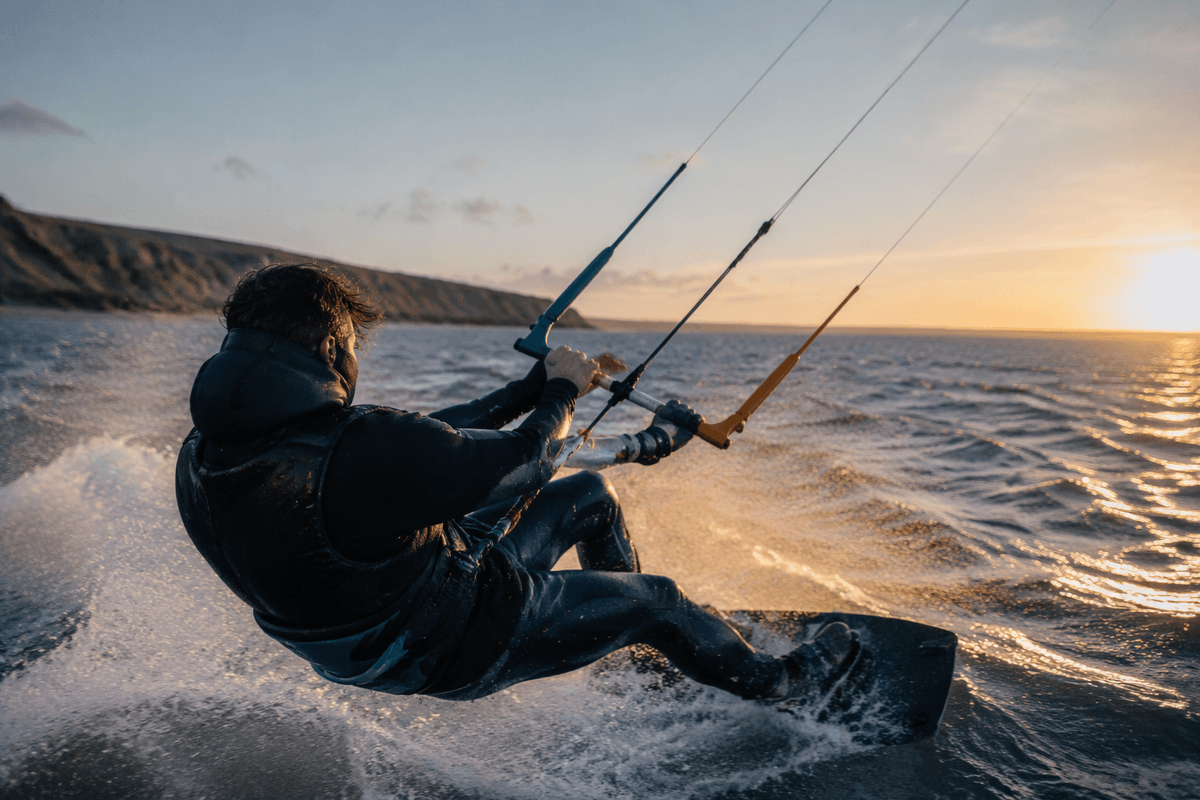
I stalled on the packing list at 11:40 p.m., thumb hovering between a 3/2 wetsuit and a thin neoprene top, because the forecast was showing strong wind but the water temp chart looked… not tropical. The same 24–30-knot day can feel like effortless mileage or like getting sandblasted, depending on whether your core stays warm after the first hour. That comfort gap matters more when you’re solo, because you can’t borrow gear or hide in someone else’s down-day plan.
In Dakhla, wind strength and “pleasant” aren’t always aligned: the punchier, more reliable stretches often come with cooler water and sharper temperature swings once the sun drops. That’s great if you’re the rider who prefers consistent power and doesn’t mind ending sessions early to warm up; it’s a weaker fit if you need long, relaxed water time to justify the trip. The trade-off is simple: chase maximum wind and you may spend more energy managing exposure (wetsuit, windproof layer, warm post-session routine) than you expected from a lagoon destination.
If you’re planning 8–10 days with limited PTO, treat comfort as lost riding time, not a luxury. A slightly lighter-wind window can still deliver plenty of sessions if you’re on midrange gear, but it won’t rescue you if you’re underpowered and waiting for the “real” wind to arrive. I’d rather book a camp that’s honest about typical launch conditions and chop than overpay for a beachfront room that only feels worth it during the warmest hours.
Check crowds, prices, and calendar quirks
I realized I’d waited too long when the camp I actually wanted showed “3 rooms left” and the only flight that didn’t involve an overnight in Casablanca had jumped in price—on a Tuesday. It was 7:15 a.m., coffee in hand, and I was refreshing two booking sites like it would change the math. Dakhla can feel empty on the sand, then oddly tight on beds and transfers.
Crowds here aren’t a city problem; they’re a launch-and-logistics problem. In peak-y weeks, the lagoon hotspots get busier at the same times you want to ride (late morning through golden hour), which means more time waiting for clean water, negotiating space, and protecting your kite on a windy beach. If you’re solo and midrange budget, that also narrows your “good value” inventory fast: the camps with reliable shuttles and gear storage fill first, while cheaper places can work only if you’re okay trading convenience for improvisation.
Calendar quirks matter more than most weather charts admit. School holidays and long weekends can push rates up without improving conditions, and Ramadan can shift what’s open and when—fine if you’re flexible, annoying if your PTO is rigid and you need predictable meal timing and transport. Booking 4–6 weeks out is usually enough, but only if your dates aren’t sitting on a hidden surge; if they are, I’d sooner slide the trip by a week than pay peak prices for the same wind.
My best windows for first-timers
I tried to lock eight nights and a shuttle in one sitting, and the cheapest “kite camp” rate disappeared between checkout screens—same dates, suddenly a different price tier. The only flight that avoided an overnight layover had a tight Casablanca connection, and I could feel my plan sliding toward “hope for the best.” That’s usually my cue to stop hunting for the mythical perfect month and pick a window that’s forgiving when logistics get messy.
For first-timers who want reliable wind without turning the trip into a cold, sandblasted grind, my favorite bet is the shoulder-season lane: late April through June, or September into early November. Compared with mid-summer, you’re often trading a bit of “always-on” power for air and water that feel easier to live in—especially on long days when you still want a sunset walk after a session. It works best if you’re happy riding midrange kites and not chasing max-wind bragging rights; it’s a weaker fit if you only feel satisfied when it’s nuking every afternoon.
If your PTO forces winter-ish dates, treat it as a value play rather than an all-day-swim fantasy: you can still score solid sessions, but you’ll spend more effort managing warmth and timing (ride the best hours, recover indoors, don’t expect endless lounging). If you can choose, I’d rather slide my trip one or two weeks to dodge a price spike than overpay for the same wind—book the flights first, then let the camps compete for your nights.