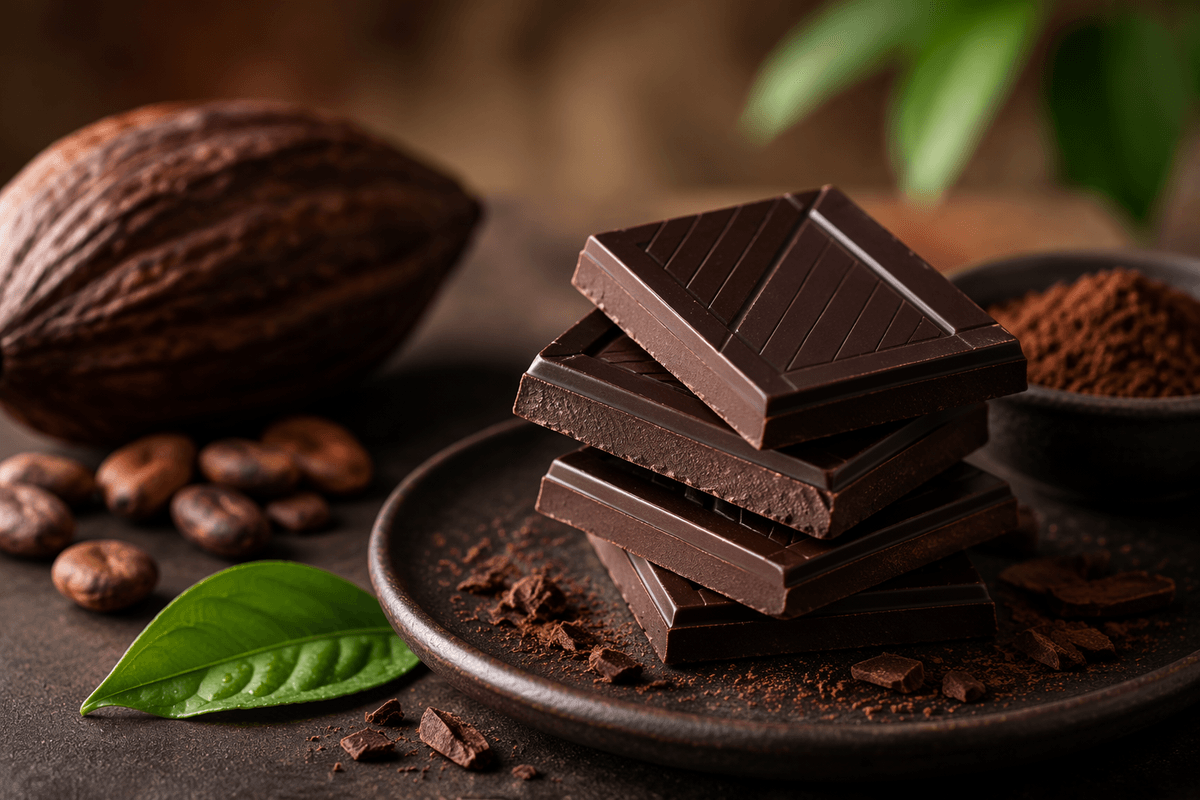
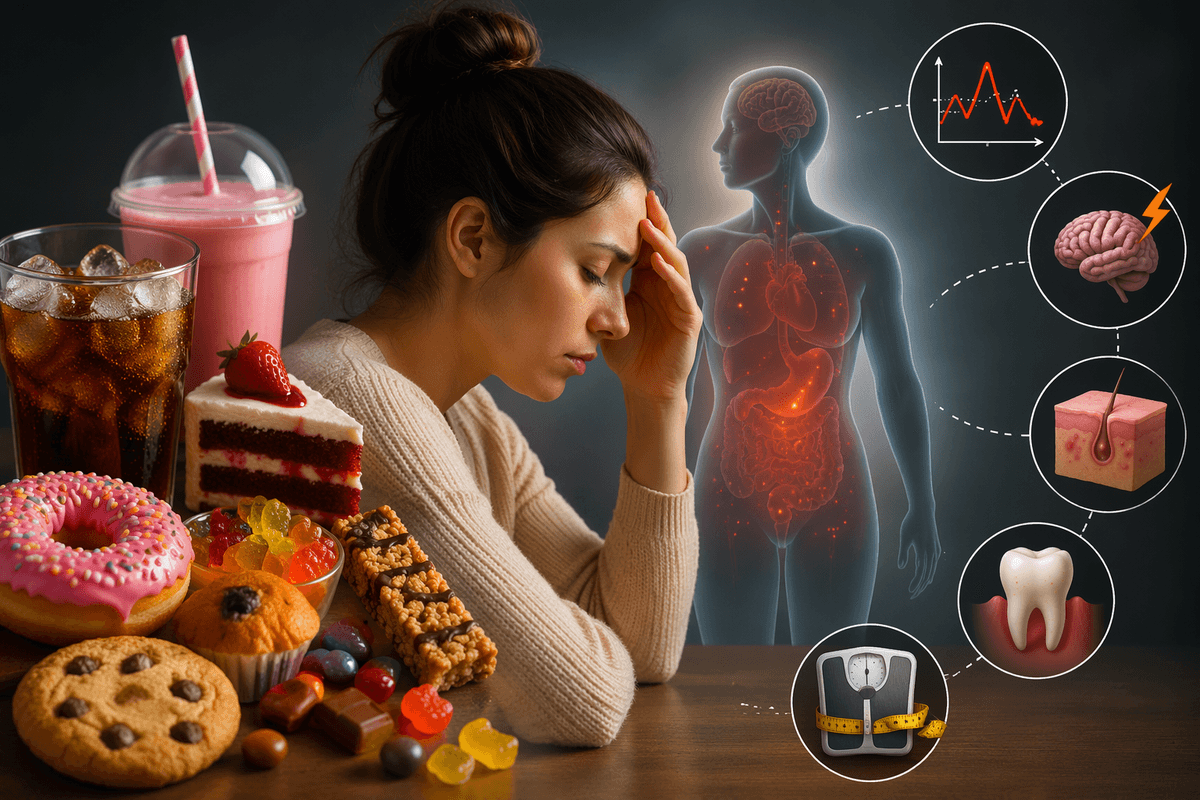
Why dark chocolate feels like a nutritional shortcut
Somewhere between meetings, the foil makes that soft crackle and the first bite tastes “responsible.” It’s darker, less candy-sweet, and it comes with a familiar set of headlines about antioxidants and heart health. For a lot of busy snackers, that combination creates a small mental discount: this is the treat you don’t have to think about too hard.
That shortcut feeling often has less to do with what’s in your hand and more to do with how your brain files it. “Dark” sounds like a nutrient upgrade, so the usual brakes around portions can loosen—one square becomes two, then a few more because it still feels like a better choice than cookies. The label can even make you ignore details you’d normally check, like added sugar, milk solids, or how much saturated fat is riding along with the cocoa.
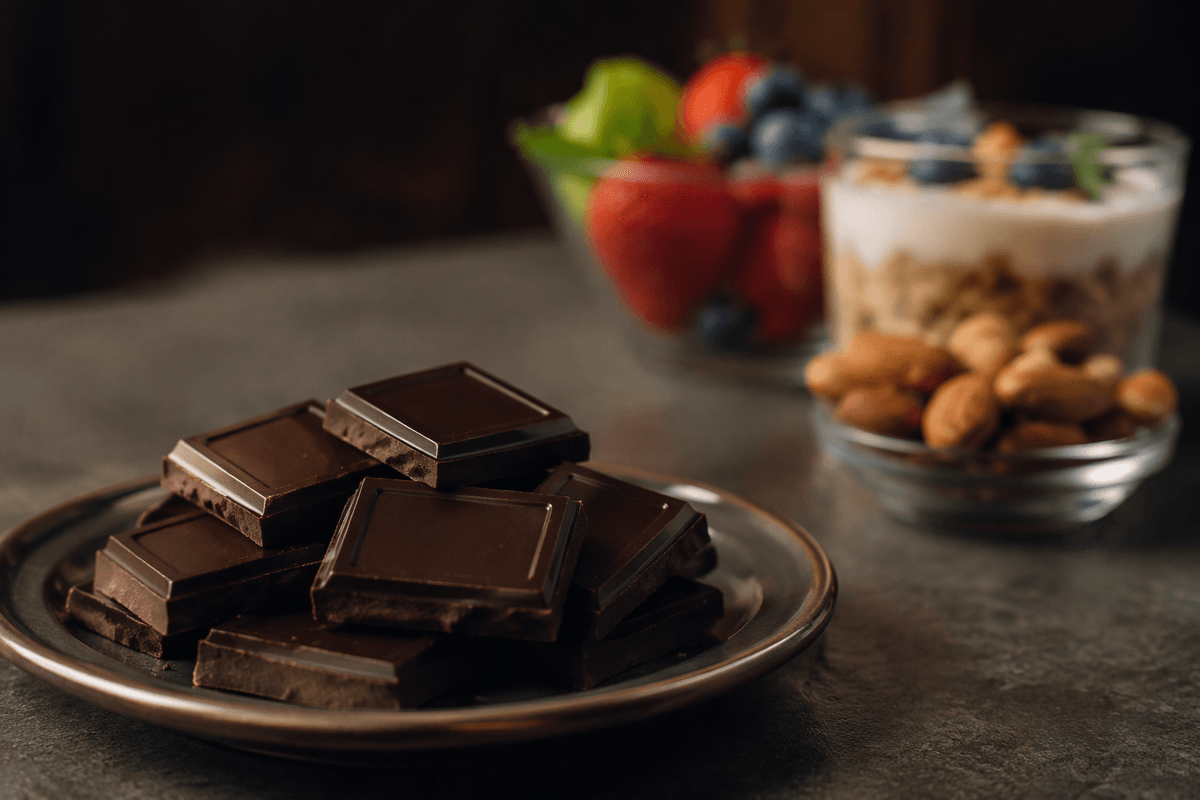
And because it melts slowly and hits that rich, bitter-sweet note, it can feel more filling than it really is. On days when it replaces fruit, yogurt, or nuts, the snack may soothe a craving while quietly leaving fewer vitamins, protein, or fiber in the picture.
Cocoa percentage changes more than just sweetness
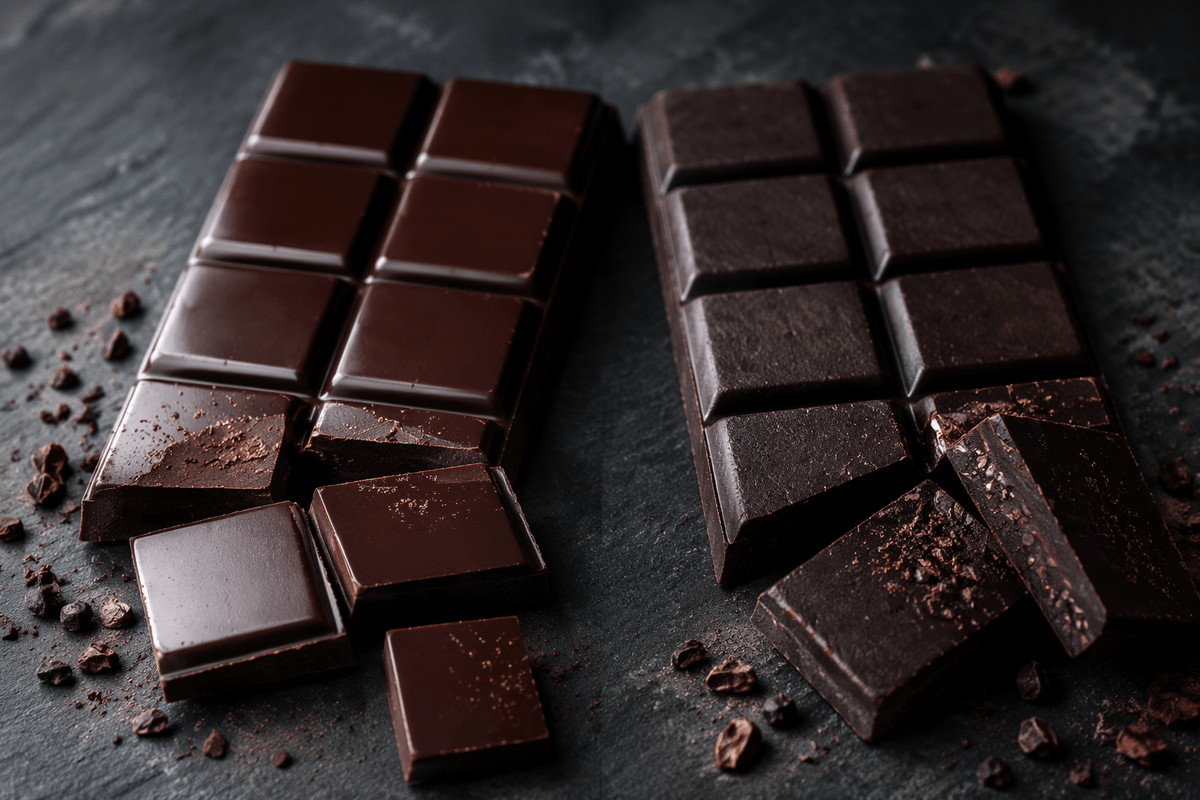
The shift is easy to miss until you grab a different bar and the bite feels sharper, drier, almost “stronger.” Many people read that as “less sugar,” which can be true, but the cocoa percentage is also telling you how much room is left for everything else—sugar, added fats, milk solids, flavorings. A 70% bar and an 85% bar can taste like distant relatives, even if both sit in the same “dark” category.
As cocoa climbs, sweetness usually drops, but bitterness and intensity rise, and that can change how you eat it. Some people naturally stop at one square because it’s so punchy. Others keep going because they’re chasing the same comfort they got from a sweeter bar, and the satisfaction doesn’t land as quickly.
Higher-cocoa chocolate also tends to bring more energizer-like compounds (like caffeine and theobromine), which may not feel like much—until you notice a slightly wired edge later, especially if the snack happens late in the day.
The calorie math that sneaks in unnoticed
It usually shows up as a small surprise: you don’t feel like you “snacked,” but the wrapper is gone and your mouth still wants one more bite. Dark chocolate is dense, so a couple of squares can carry more energy than it seems like it should—especially when the bar is made with extra cocoa butter to keep that smooth melt. The portion looks modest; the calorie load often isn’t.
The math gets slippery because the eating pattern changes faster than the intention. A square after lunch becomes a square after lunch and something while you answer emails, then a second piece because the first one didn’t quite take the edge off. If you’re reaching for it when you’re tired or underfed, it can act less like a planned treat and more like a quiet “top-off” that stacks on top of meals instead of replacing anything.
And even when the sugar is lower, the bar can still bring a meaningful amount of saturated fat. That doesn’t make it “bad,” but it does mean the benefits people associate with cocoa don’t automatically cancel out the rest of the ingredients—especially when the serving size on the label doesn’t match the amount you actually break off.
Mood, cravings, and the snack-replacement loop
It’s often the mid-afternoon dip when it starts: your focus thins out, you want something “small,” and dark chocolate feels like a clean fix. The first bite can genuinely steady things—part because it tastes rewarding, part because a little caffeine/theobromine can sharpen your edge. But that quick lift can also train a pattern: stress or fatigue becomes the cue, chocolate becomes the answer.
Cravings don’t always fade in a straight line, either. Dark chocolate can quiet the desire for sweetness while leaving you still looking for “real food” satisfaction—protein, crunch, volume. If lunch was light, a couple squares may take the edge off just enough that you postpone a more substantial snack, then circle back later feeling both snacky and slightly under-fueled.
Over time, that replacement loop matters. On days it crowds out fruit, yogurt, or nuts, you may notice mood feels soothed, but fullness feels inconsistent—like your body got a treat without quite getting fed.
Sleep, jitters, and reflux: the surprise trade-off
It can be a small thing at first: you’re winding down, you break off “just one” square, and later your body feels oddly alert—like your mind is ready for bed but your chest has a faint hum. Dark chocolate isn’t coffee, but the caffeine and theobromine in higher-cocoa bars can linger, especially if you’re sensitive or the snack lands close to bedtime.
That wired edge can be easy to misread as stress, when it’s partly timing. A couple squares after dinner may not feel like much, yet the energizers can nudge sleep later or make it lighter. Then the next day you’re more tired, cravings hit earlier, and chocolate becomes the quick fix again—an unplanned loop that messes with appetite more than you’d expect.
For some people, the surprise isn’t jitters—it’s reflux. Chocolate can relax the valve between the stomach and esophagus, and its fat content slows digestion, so a “healthy” treat can sit heavy. If it shows up as throat burn or a sour taste at night, it’s often the same pattern: small portion, inconvenient timing.
Minerals and polyphenols: benefits with fine print
You notice it when you glance at the front of the bar and see words like “flavanols” or “antioxidants,” as if the snack comes with a built-in health credit. Dark chocolate does bring minerals—often some magnesium, iron, and copper—and cocoa compounds (polyphenols) that may support blood vessel function in some situations. But the helpful parts live in the cocoa solids, not the sugar, added fats, or oversized “a few squares” portion that tends to happen in real life.
The fine print is that “dark” doesn’t guarantee much of anything. Some bars are processed in ways that can reduce polyphenols, and the numbers on the label don’t always tell you what’s left. Meanwhile, it’s easy to lean on the mineral story while quietly stacking saturated fat and calories, especially if chocolate becomes your default instead of foods that reliably deliver those same nutrients with fiber and protein.
For some people, there’s also a second layer: certain dark chocolates can carry small amounts of heavy metals from soil, which doesn’t make it automatically unsafe, but it does complicate the idea of “more is better.” The benefit tends to look less like a permission slip and more like a modest bonus—when the rest of the bar stays in its place.
Where dark chocolate fits best in a real diet
It’s usually when you reach the end of the bar sooner than expected that the “health snack” label starts to wobble. Not because dark chocolate can’t be part of a solid routine, but because it behaves more like a concentrated add-on than a stand-in for food. A square or two can close the mental loop on sweetness and keep you from hunting for something bigger. Four or five squares, especially when you’re already tired or distracted, often just rides on top of your usual intake.
Where it tends to fit best is as a deliberate finish, not an emergency bridge. When it follows a meal or a snack that already had protein and fiber, the chocolate works more like satisfaction than like fuel. When it’s used to patch a skipped lunch, it can create that odd combination of “treated” but still not quite fed—partly because fat and sugar don’t anchor fullness the way volume, fiber, and protein do.
In practice, the clearest signal is what happens next. If cravings settle and your evening feels steady, it’s probably playing its role. If it quietly pulls you into more snacking, lighter sleep, or frequent “just one more,” it may be asking for a smaller portion—or a different job.