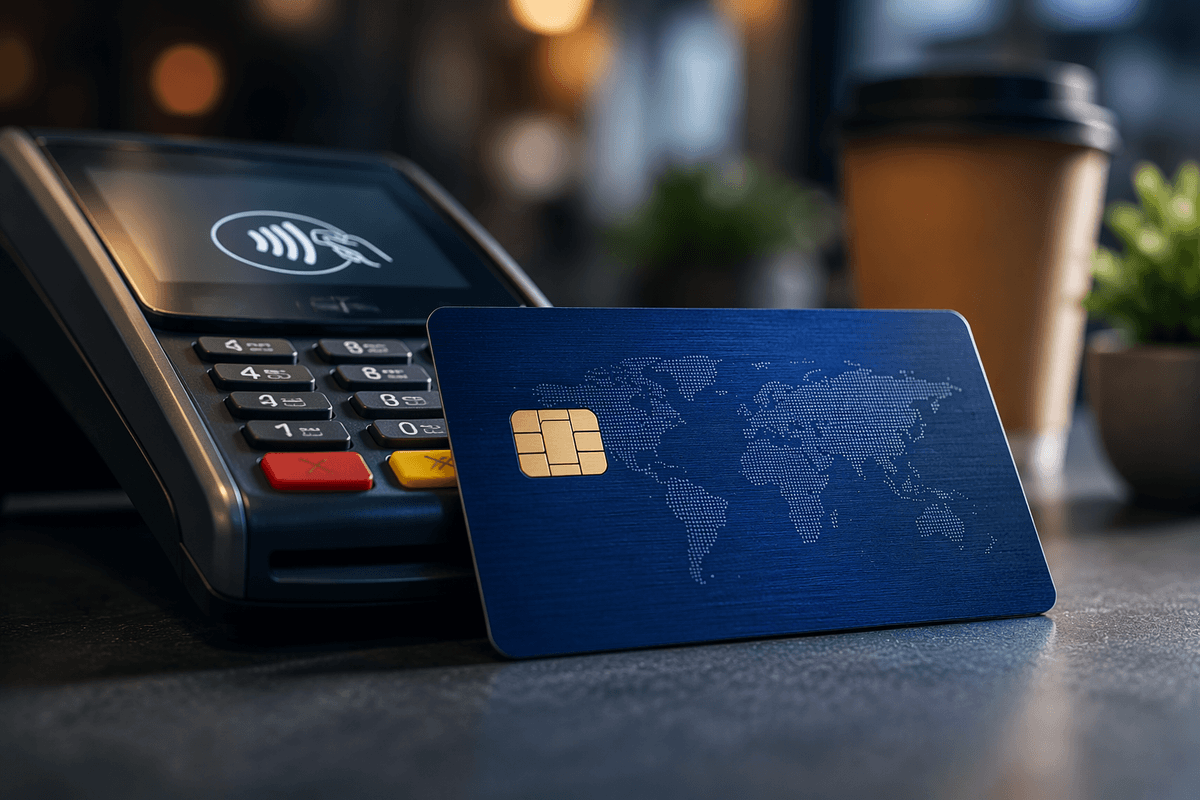
You pay normally, then a weird charge appears
You tap or insert like you always do, grab the receipt (or don’t), and the purchase fades into the background. Then a day or two later, the alert hits: a charge in a city you haven’t visited, or a “test” purchase for $1.19, or three identical transactions back-to-back. The first friction is timing—fraud rarely shows up while you’re still standing at the register, and by the time you notice, you’re trying to reconstruct where your card was used and which merchant might’ve been the weak link.
That’s when the assumptions start colliding. If your card has a chip, the payment should be “secure,” so the charge feels impossible—until you remember you’ve swiped at a gas pump, typed the number into a website, handed the card to a server, or stored it in an app. The question stops being “How did this happen?” and becomes “Which kind of transaction did my chip never touch?”
The chip’s promise: stopping counterfeit card copies
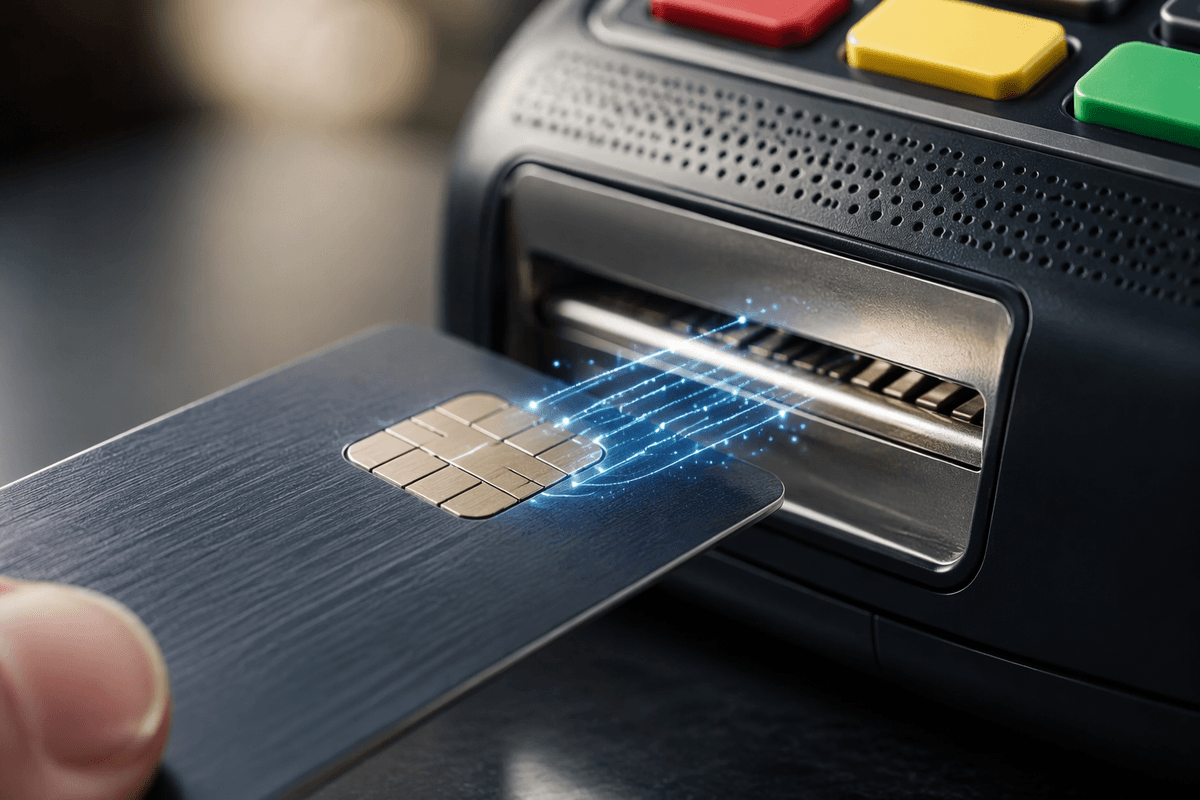
The chip was introduced for one very specific failure mode: someone copies the magnetic stripe data and manufactures a “clone” card that swipes like the real thing. With a chip insert, the terminal isn’t just reading a static account number the way a stripe does. It’s asking the chip to help generate a one-time cryptographic response tied to that purchase, on that terminal, at that moment. That’s the promise: even if a criminal steals the card number from somewhere else, they can’t easily turn it into a working in-store counterfeit for chip transactions.
In practice, that changes what tends to show up on your statement. Counterfeit-style fraud shifts from “my card was duplicated and used at local stores” toward channels where a physical chip isn’t required. The constraint is that the chip only protects you when it’s actually used—and only against that cloning scenario. It doesn’t mean your account details can’t be exposed, and it doesn’t mean every in-person purchase is automatically protected just because the card has a chip.
The mismatch: swipe still works, and scammers love it
But then you hit the moment that doesn’t match the story: the same card with a chip still gets accepted when it’s swiped. And that’s not a minor edge case—older terminals, some transit setups, certain bars and restaurants, hotel check-in desks, and plenty of small merchants keep the stripe path alive because it’s fast, familiar, or their equipment isn’t reliably chip-ready. The convenience is real. So is the gap it opens.
When a transaction runs on the magnetic stripe, the system falls back to the “static data” world the chip was meant to replace. If someone skimmed your stripe data at a compromised reader, that stolen bundle can be written onto another card and used anywhere that still accepts a swipe. From the bank’s perspective, it often looks like a normal present-card purchase: correct stripe format, plausible location, no obvious “online” flags. That’s why scammers love swipe—because it lets counterfeit fraud keep working in the leftover pockets where merchants still allow it.
Tap feels safer—here’s what changes in practice
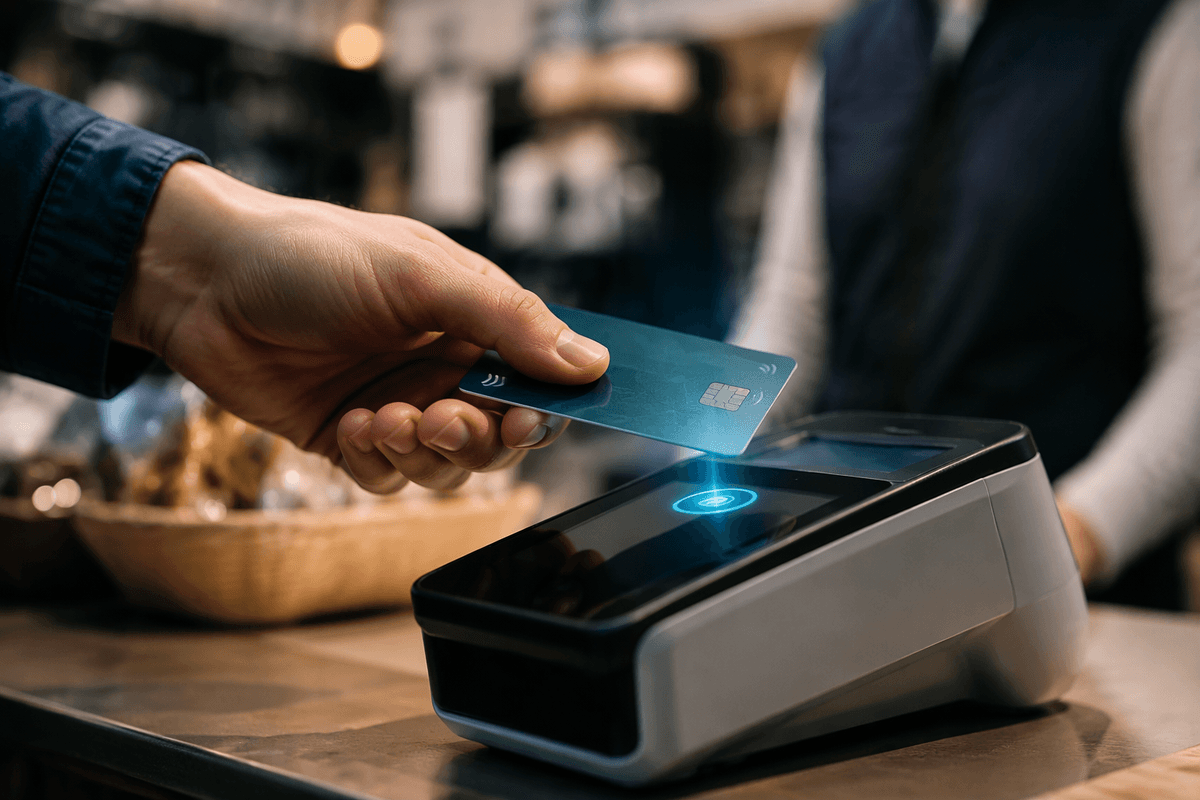
So when the terminal offers tap, it feels like an escape hatch from that swipe fallback. And most of the time, it is. With contactless, the card (or phone) still produces a transaction-specific cryptographic message, but the “card details” the reader sees aren’t meant to be reusable in the same way a stripe read is. That changes the practical risk: a compromised reader can still cause trouble, but it’s far less likely to hand a criminal something they can simply load onto a blank card and swipe elsewhere. The constraint is that tap has to actually be accepted—when the reader is flaky or the cashier forces a swipe, you’re back in the older lane.
The other change is behavioral. Tapping keeps the card in your hand, which quietly removes a common point of exposure at busy counters and bars. If you tap with a phone wallet, you also get a second gate (device unlock) and a different card number under the hood, which reduces fallout if a merchant database is later breached. None of this guarantees “no fraud,” but it does shift your best default at the register: tap first, insert second, swipe only when you’re cornered.
Online shopping: the chip isn’t part of the transaction
After you’ve started defaulting to tap in person, online purchases can feel like they should inherit the same protection. They don’t. When you type a card number into a checkout box—or save it to a merchant account—the chip never gets asked to generate that one-time response. The transaction is built around the account number, expiration date, and security code, plus whatever the merchant and bank can infer from the device, location, and purchase pattern. The friction is that a clean-looking online charge can be “legit” on paper even when it wasn’t you.
That’s why online fraud often traces back to places that had nothing to do with your last in-store insert. A breached retailer, a compromised app, a reused password, even an old card stored on file—those can all feed card-not-present attempts. When checkout offers a wallet button, a virtual card number, or a one-time code, it’s not the chip showing up online; it’s a different layer stepping in because the chip isn’t in the loop.
Fraud can still happen—set yourself up to win
By this point, the pattern is clearer: the safest-looking payment method doesn’t stop your account details from leaking somewhere else, and it doesn’t prevent every kind of charge that can be run without the chip. The practical constraint is time. Fraud rarely arrives as one obvious hit; it’s usually a small “test” charge, then a bigger one, and the longer it sits, the more cleanup you’re doing across merchants, subscriptions, and saved cards.
So the win condition shifts from “never get fraud” to “notice fast and contain it.” Turn on real-time alerts for card-not-present and over-a-threshold purchases, and treat any micro-charge as a trigger to lock the card and call it in. Keep one backup payment method that isn’t the same network (so a freeze doesn’t strand you), and use virtual card numbers or wallet checkout for merchants you don’t fully trust. The last friction is disputes: save order emails and shipping notices, because the cleanest chargebacks are the ones you can document in two minutes.
Four takeaways you’ll remember at the checkout
At the register, the simple rule that holds up is: tap if you can, insert if you must, swipe only when you’re cornered. That order won’t stop every bad charge, but it cuts down the easiest “clone card” pathway and keeps the card in your hand, which removes a bunch of small, real-world exposure.
Second, don’t let the chip lull you into thinking online purchases are “chip-protected”—they aren’t. When a site feels even slightly sketchy, lean on wallet checkout or a virtual card number instead of saving the real card.
Third, assume speed matters more than perfection: alerts on, act on tiny test charges, and keep a backup card on a different network. Finally, make disputes easy on future-you: keep receipts and order emails until the charge fully settles.